Designing Dark Fantasy Comic Covers
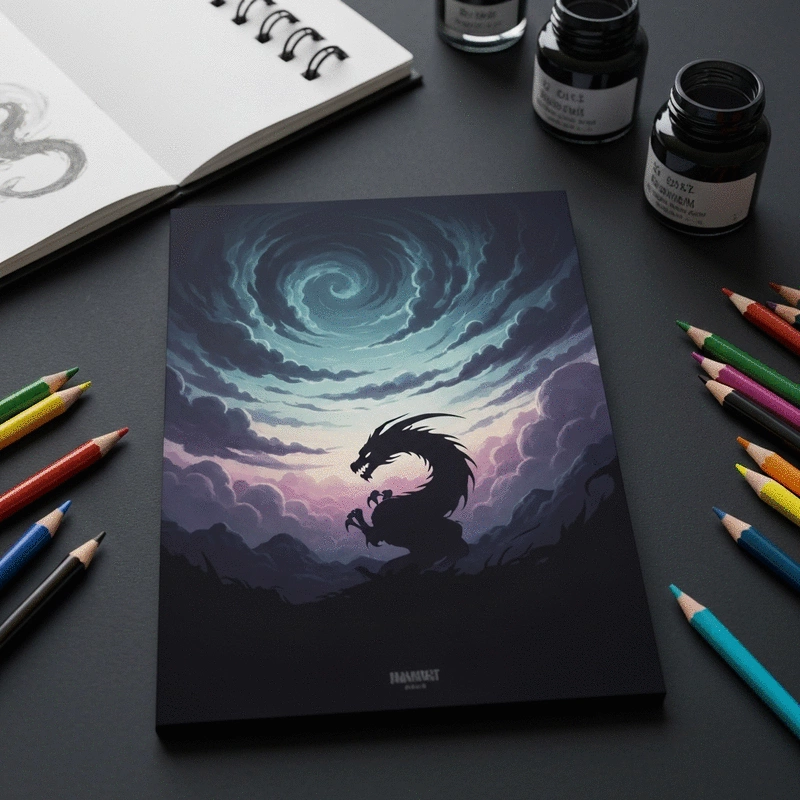
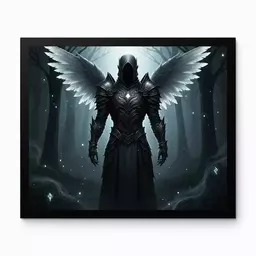
What if your comic cover could whisper secrets of magic and intrigue before a single word is read? The world of dark fantasy comics is a realm where artistry meets storytelling, and mastering its visual language is your key to captivating an audience.
What You Will Learn
- Understand the core themes of dark fantasy, including magic, gothic imagery, and complex characters.
- Explore techniques for creating visual mood through color, contrast, and composition.
- Learn to choose the right software tools, from Canva for beginners to Procreate for advanced artists.
- Discover the importance of feedback and A/B testing in refining your comic cover design.
- Engage with online communities and resources to continue learning and growing in your art journey.
Key Elements and Tools in Dark Fantasy Comic Cover Design
Delve into the visual narrative of dark fantasy comic covers with this overview of essential themes, elements, and the software that brings them to life.
Dark Fantasy Themes & Visual Styles
- ★Magic and Mysticism
- ★Gothic Imagery
- ★Complex Characters
- ★Nature and Elements
Critical Elements for Cover Visuals
- ★Contrast (Light/Shadow)
- ★Symbolism
- ★Emotion
- ★Color & Composition
Software for Comic Cover Creation
- ●Canva (Beginner-friendly)
- ●Clip Studio Paint (Detailed illustration)
- ●GIMP (Free Photo Editing)
- ●Adobe Photoshop / Procreate (Advanced)
Feedback & Community Engagement
- ★A/B Testing
- ★Gathering Critiques
- ★Online Communities (Discord, Reddit)
- ★Workshops & Conventions
Understanding Dark Fantasy Comic Covers: Essential Concepts for Beginners
Welcome to the enchanting world of dark fantasy comics! At Arcane Chronicles, we believe that understanding the foundational concepts of dark fantasy comic covers is the first step in captivating your audience. This section will guide you through essential themes, visual styles, and the tools you need to begin your creative journey. Together, let’s unravel the mysteries behind designing covers that draw readers into realms filled with magic, intrigue, and shadows.
Defining Dark Fantasy: Themes and Visual Styles
Dark fantasy is a genre that beautifully marries elements of traditional fantasy with the eerie and macabre. It often explores themes like forbidden magic, ancient curses, and the complexities of fallen heroes. These themes create a rich tapestry that resonates with audiences looking for depth and emotional stakes in their stories.
When designing a cover for a dark fantasy comic, consider the following key themes and visual styles:
- Magic and Mysticism: Elements that evoke a sense of the supernatural.
- Gothic Imagery: Utilize architecture and landscapes that enhance the dark atmosphere, often found in classic dark fantasy literature.
- Complex Characters: Heroes and villains with layered backstories and motivations, a common trait in this genre, as explored in studies of fantasy literature.
- Nature and the Elements: Symbolism through stormy skies, twisted trees, or dark waters.
These elements create opportunities for you to weave a captivating narrative even before the reader opens the comic!
Exploring Common Elements in Dark Fantasy
As you delve deeper into dark fantasy, you'll discover a few common elements that can enhance your comic cover. The use of striking visuals combined with thematic elements creates a sense of intrigue. Here are a few aspects to keep in mind:
- Contrast: High contrast between light and shadow adds drama.
- Symbolism: Incorporate symbols that hint at deeper themes within the story, drawing parallels to broader fantasy and utopian narratives.
- Emotion: Faces and expressions that convey the tone of the narrative.
These features will not only enhance your cover's appeal but also help to communicate the essence of your story.
Visual Mood: Creating Atmosphere with Color and Composition
Color and composition play vital roles in establishing the mood of your comic cover. A well-chosen color palette can suggest emotions and themes before a single word is read. Consider using dark, muted tones interspersed with bright highlights to evoke a sense of mystery and danger.
Incorporating the following techniques can strengthen your atmosphere:
- Layering Colors: Use gradients to give depth and texture.
- Composition Techniques: Rule of thirds and leading lines help guide the viewer's eye.
- White Space: Don’t be afraid to use negative space to create focus.
By skillfully balancing these elements, your cover can become a visual narrative that resonates with dark fantasy enthusiasts.
Tools of the Trade: Software for Creating Comic Covers
Now that we’ve discussed the thematic and visual foundations of dark fantasy covers, let’s explore the tools you’ll need to bring your vision to life. Whether you're a beginner or looking to refine your skills, the right software can make all the difference.
Canva vs. Clip Studio Paint: Choosing the Right Tool
When it comes to designing comic covers, two popular options are Canva and Clip Studio Paint. Both have their strengths, and your choice will depend on your specific needs:
- Canva: Ideal for beginners, with a user-friendly interface and many templates to choose from.
- Clip Studio Paint: More suitable for detailed illustrations and comic-specific features, including panel layouts.
Choosing the right tool will empower you to create stunning covers that reflect your artistic style.
Additional Digital Tools and Resources for Beginners
In addition to Canva and Clip Studio Paint, there are several other tools that can enhance your comic cover creation:
- GIMP: A free, open-source alternative to Photoshop, great for photo editing.
- Inkscape: Perfect for vector graphics and scalable designs.
- Affinity Designer: A powerful, budget-friendly graphic design software.
These tools can help you experiment with different styles and techniques as you work on your dark fantasy comic cover.
Adobe Photoshop and Procreate: Enhancing Your Comic Cover Skills
As you grow more confident in your design skills, consider diving into industry-standard software like Adobe Photoshop and Procreate. Both offer extensive capabilities for creating intricate illustrations.
Here’s how these tools can elevate your work:
- Adobe Photoshop: Excellent for photo manipulation and detailed painting.
- Procreate: Tailored for digital painting with a wide range of brushes and textures.
Utilizing these advanced tools can greatly enhance the quality and creativity of your comic covers!
Frequently Asked Questions (FAQs)
What are the core themes of dark fantasy comic covers?
Dark fantasy comic covers often feature themes such as magic and mysticism, gothic imagery, complex characters, and symbolism from nature and the elements. These themes create a sense of intrigue and depth.
How can I create visual mood in my comic cover design?
You can create visual mood by using high contrast between light and shadow, incorporating meaningful symbolism, and conveying emotion through character expressions. Color and composition, such as layering colors and using techniques like the rule of thirds, also play crucial roles.
What software is recommended for designing dark fantasy comic covers?
For beginners, Canva is a user-friendly option with many templates. For more detailed illustrations, Clip Studio Paint is excellent. GIMP, Inkscape, and Affinity Designer are also good alternatives. Advanced users can benefit from Adobe Photoshop and Procreate for intricate digital painting and photo manipulation.
Why is feedback important for comic cover design?
Feedback is crucial for artistic development. It helps you see your work from different perspectives, identify areas for improvement, and ensure your cover resonates with your target audience. Methods like A/B testing, gathering critiques, and engaging with online communities are effective ways to get feedback.
Where can I find communities and resources for comic artists?
Online communities on platforms like Discord and Reddit are great for connecting with other artists. Tutorials and workshops on platforms like Skillshare and Udemy can help develop your skills. Attending art competitions and comic conventions also provides networking opportunities and exposure.
We Want to Hear From You!
What aspect of dark fantasy comic covers excites you the most? Is it the intricate artwork, the complex character designs, or the haunting themes? Share your thoughts below:
Bringing Your Dark Fantasy Comic Cover to Life
Creating a stunning dark fantasy comic cover is only the beginning of your artistic journey! Once you've crafted your initial design, it's essential to evaluate and adjust your work. Receiving feedback can transform your cover into a captivating piece that draws in readers and fans alike. Let's explore how to effectively gather insights and enhance your creation.
Evaluating and Adjusting Your Work: Importance of Feedback
Feedback is a critical part of the artistic process. It not only helps you see your work from different perspectives but also highlights areas for improvement. You may ask yourself: how can I ensure my cover resonates with my audience? Here are some methods to consider:
- Conducting A/B Testing for Cover Effectiveness
- Gathering Critiques and Implementing Changes
- Engaging Your Audience: The Role of Feedback in Creative Process
By employing these strategies, you can foster a creative environment where your work continuously evolves. A/B testing, for instance, allows you to compare two variations of your cover to see which one garners more interest. This data-driven approach can be invaluable in refining your design to better suit your target audience.
Conducting A/B Testing for Cover Effectiveness
A/B testing involves presenting two different designs to a sample audience and measuring their reactions. This way, you can determine which elements resonate more with viewers. Choose aspects like color schemes or typography to vary between versions. The insights gained from A/B testing can help you make informed decisions about your final cover design.
Gathering Critiques and Implementing Changes
Feedback from peers and mentors can provide fresh perspectives. Share your work in forums or social media groups dedicated to dark fantasy, like those found in Arcane Chronicles. Here, you can connect with fellow creators who share your passion and can offer constructive feedback. Take notes on common suggestions and think about how you can incorporate them into your design.
Engaging Your Audience: The Role of Feedback in Creative Process
Engaging your audience throughout the design process is vital! Consider hosting polls or sharing drafts on social media. This not only builds excitement but also fosters a community around your work. When your audience feels involved, they are more likely to support your comic when it's completed!
Next Steps: Resources and Community for Continued Learning
As you embark on this creative path, remember that learning never stops. There are numerous resources available to help you enhance your skills and connect with others in the industry. Here are some valuable avenues to explore:
- Joining Online Communities for Comic Artists
- Recommended Tutorials and Workshops for Skill Development
- Exploring Art Competitions and Comic Conventions for Networking
Participating in online communities can provide support and inspiration. Websites like Facebook groups or dedicated forums allow you to share your work, ask questions, and receive feedback from artists at all stages of their careers. It's a great way to build your network and find collaborators!
Joining Online Communities for Comic Artists
Online communities are excellent spaces to share your journey and connect with fellow artists. Platforms like Discord and Reddit host groups specifically for comic artists. These vibrant communities can be a treasure trove of resources and insights into the world of dark fantasy comics.
Recommended Tutorials and Workshops for Skill Development
To further enhance your skills, look for tutorials and workshops that focus on comic creation and dark fantasy elements. Platforms like Skillshare or Udemy offer courses tailored to various aspects of comic art, from storytelling techniques to advanced coloring. Investing time in these resources can significantly improve your craft.
Exploring Art Competitions and Comic Conventions for Networking
Participating in art competitions and attending comic conventions can open doors to new opportunities. Not only will you showcase your work, but you'll also meet industry professionals and potential collaborators. These events are invaluable for budding artists looking to make their mark in the dark fantasy genre.
Your Journey in Creating a Dark Fantasy Comic Cover Begins!
Now that you have a roadmap for bringing your dark fantasy comic cover to life, it's time to start designing. Remember the key takeaways we've discussed, and utilize them as your blueprint for success. Let your imagination run wild, and don’t hesitate to express your unique vision!
Start Designing: Key Takeaways for Aspiring Artists
As you move forward, keep these essential points in mind:
- Utilizing This Guide as Your Blueprint
- Encouraging Continued Growth and Creativity in Your Comic Art
- Building Your Artist Portfolio: Essential for Career Progression
By following these principles, you’ll not only enhance your skills but also cultivate a portfolio that showcases your artistic journey. Your dark fantasy comic cover is just the beginning of a much larger narrative. So, are you ready to let your creativity shine and embark on this magical adventure?
Recap of Key Points
Here is a quick recap of the important points discussed in the article:
- Understand Dark Fantasy Themes: Focus on themes like magic, gothic imagery, and complex characters to create captivating covers.
- Utilize Visual Elements: Incorporate contrast, symbolism, and emotional expressions to enhance visual storytelling.
- Color and Composition: Use a well-chosen color palette and composition techniques to establish mood and atmosphere.
- Choose the Right Tools: Utilize software like Canva for beginners or Clip Studio Paint for detailed illustrations to bring your designs to life.
- Gather Feedback: Employ A/B testing, seek critiques, and engage with your audience to refine your comic covers.
- Continuous Learning: Explore online communities, tutorials, and workshops to enhance your skills and network with other creators.

Elara Nightshade
Elara Nightshade is a passionate creator and storyteller, dedicated to the art of dark fantasy. With a background in graphic storytelling and a deep love for gothic mythology, Elara weaves intricate narratives that explore the depths of forbidden magic and the complexities of fallen heroes. Through her work, she aims to inspire both fans and fellow creators to delve into the enchanting realms of dark fantasy.
Popular Posts
Gothic Folklore in Dark Fantasy
![From Myth to Panel: Reinterpreting Gothic Folklore in Modern Dark Fantasy Storytelling]() The rich tapestry of dark fantasy is intricately woven with threads of gothic folklore, where ancien
The rich tapestry of dark fantasy is intricately woven with threads of gothic folklore, where ancien
 The rich tapestry of dark fantasy is intricately woven with threads of gothic folklore, where ancien
Designing Dark Fantasy Comic Covers
![How to Create a Dark Fantasy Comic Cover: A Beginner's Guide]() What if your comic cover could whisper secrets of magic and intrigue before a single word is read? T
What if your comic cover could whisper secrets of magic and intrigue before a single word is read? T
 What if your comic cover could whisper secrets of magic and intrigue before a single word is read? T
Exploring Complex Villains in Comics
![Crafting Morally Complex Villains: A Deep Dive into Antiheroes and Dark Lords in Serialized Comics]() As we navigate through the realm of dark fantasy, the exploration of morally complex villains ignite
As we navigate through the realm of dark fantasy, the exploration of morally complex villains ignite
 As we navigate through the realm of dark fantasy, the exploration of morally complex villains ignite
Backlighting Techniques for Dark Fantasy
![Mastering the Art of Backlighting in Dark Fantasy Illustrations]() As we delve into the enchanting realm of dark fantasy art, consider how a single technique can trans
As we delve into the enchanting realm of dark fantasy art, consider how a single technique can trans
 As we delve into the enchanting realm of dark fantasy art, consider how a single technique can trans
