Understanding Fear in Dark Fantasy
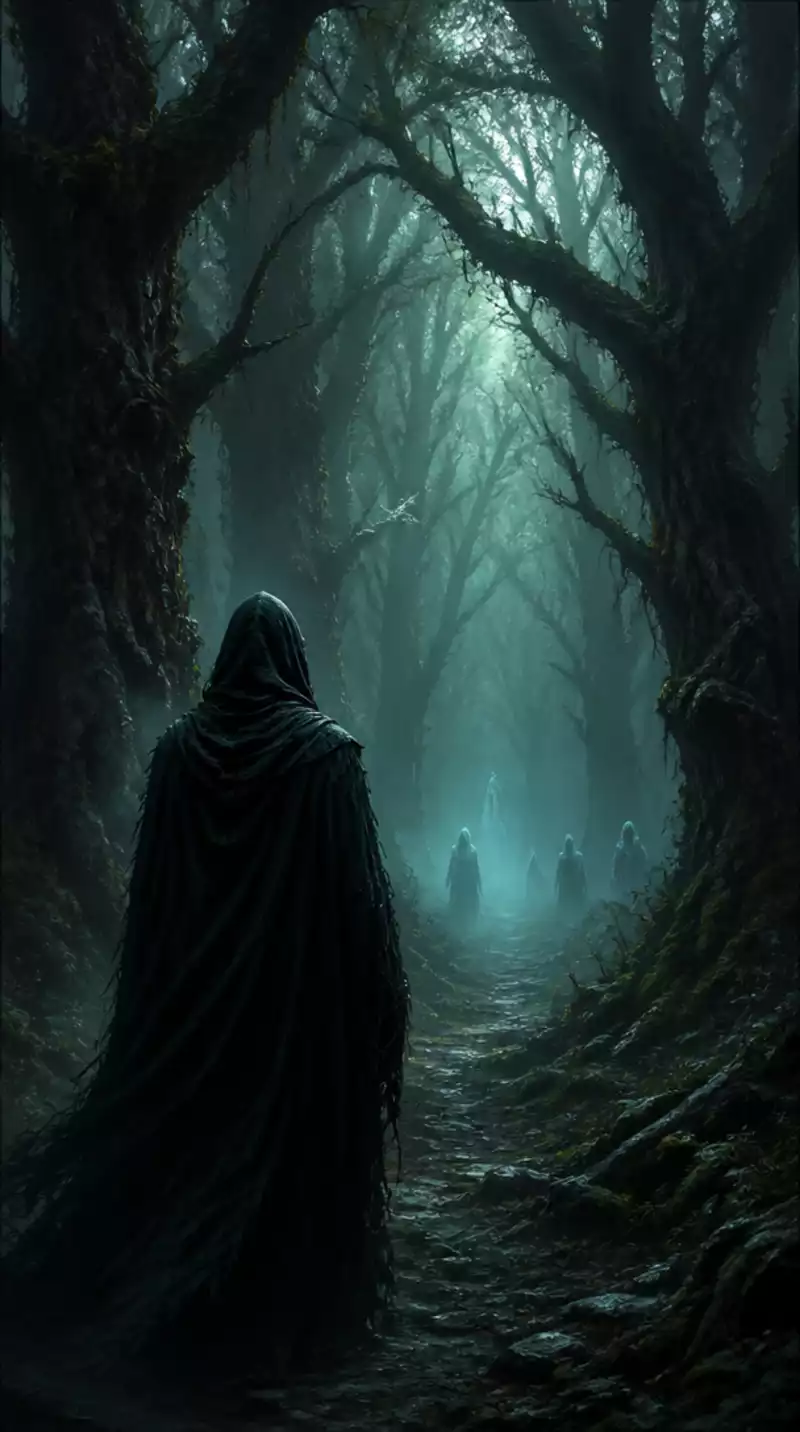
What if you could explore the depths of your fears in a safe space?
Dark fantasy does just that, inviting readers to confront their anxieties while weaving compelling narratives. Dive in to discover how fear can enrich storytelling and evoke deep emotional connections.
What You Will Learn
- Fear as a Catalyst: Fear ignites curiosity, compelling readers to explore themes of darkness.
- Anticipation Over Shock: Dread often outweighs immediate scares, enhancing emotional investment.
- Visual Imagery's Role: Haunting visuals can evoke powerful emotional responses, deepening the reader's experience.
- Catharsis Through Engagement: Dark fantasy provides a safe space for readers to confront their fears, leading to emotional release.
Understanding Fear: Psychological Mechanisms and Engagement in Dark Fantasy
Delve into how dark fantasy leverages fear to create immersive narratives, examining key psychological appeals and reader engagement strategies.
Psychological Appeal of Dark Fantasy
- • Blending of fantasy & horror elements
- • Exploration of moral ambiguity & complex characters
- • Use of gothic imagery & supernatural themes
Key Takeaways: Fear & Engagement
- • Fear as a Catalyst: Ignites curiosity, compelling exploration.
- • Anticipation Over Shock: Dread enhances emotional investment.
- • Visual Imagery's Role: Haunting visuals evoke powerful responses.
- • Catharsis Through Engagement: Safe space to confront fears, leading to release.
Understanding the Role of Fear in Dark Fantasy
Fear is a powerful emotion that can captivate and enthrall readers, especially within the realm of dark fantasy. Here, narratives are steeped in shadows, weaving tales that invite us to confront our deepest anxieties while exploring the unknown. At Arcane Chronicles, we embrace this complex tapestry of emotion, understanding that fear can serve as a catalyst for immersive storytelling. By tapping into the psychological appeal of fear, we create narratives that resonate on a profound level.
As we journey deeper into the shadows, let’s uncover how dark fantasy uniquely engages readers' minds, drawing them into worlds where peril and beauty coexist.
Defining Dark Fantasy and Its Unique Psychological Appeal
Dark fantasy is a genre that melds traditional fantasy elements with themes of horror, creating a rich landscape filled with magic, danger, and moral ambiguity. Unlike typical fantasy, which often emphasizes heroism, dark fantasy dares to explore the darker facets of existence. This exploration not only captivates our imagination but also evokes a psychological draw that is distinctly compelling.
- Blending of fantasy and horror elements
- Exploration of moral ambiguity and complex characters
- Use of gothic imagery and supernatural themes
By immersing readers in these shadowy realms, we invite them to confront fears alongside the characters, creating a shared emotional journey that enhances their connection to the story.
Why Fear Works: The Psychological Mechanisms Behind Reader Engagement
Fear has a unique ability to activate our primal instincts. It triggers the fight-or-flight response, making us more alert and engaged with the narrative. The allure of fear in dark fantasy lies in its ability to transport readers into a state of heightened awareness, where they can explore their feelings within a safe space. At Arcane Chronicles, we recognize that this engagement can lead to long-lasting connections with our audience. Research from sources like the Greater Good Magazine from Berkeley highlights how confronting fears in a controlled environment can be a form of emotional regulation, making the experience both thrilling and cathartic.
- Heightened emotional response and engagement
- Safe environment to confront fears
- Creation of memorable, impactful experiences
By utilizing fear effectively, we can craft stories that linger in the minds of readers, urging them to reflect on their own experiences and emotions.
Fear Psychology: How Dark Fantasy Manipulates Reader Emotions
In dark fantasy, fear is not just a tool for shock; it is a means of manipulating reader emotions and shaping their perceptions. By carefully orchestrating moments of suspense and dread, we can lead readers on an emotional rollercoaster. Through unexpected twists and the presence of menacing characters, we invite them to journey through landscapes of uncertainty. As detailed by Concordia St. Paul University, the psychology of fear involves complex responses that writers can harness to deepen narrative impact.
- Utilizing unreliable narrators to create doubt
- Setting ominous tones through descriptive language
- Incorporating themes of isolation and despair
This manipulation of emotions not only keeps readers on the edge of their seats but also encourages them to empathize with characters, making their journeys all the more impactful. As we delve into the stories we create at Arcane Chronicles, we embrace fear as a potent narrative force, guiding our audience through the depths of dark fantasy.
Pro Tip
To enhance the psychological impact of fear in your dark fantasy narratives, consider using sensory details to immerse your readers fully. Describe not just what characters see, but also what they hear, smell, and feel. This multi-sensory approach draws readers deeper into the atmosphere of dread, making their experience more visceral and engaging.
Frequently Asked Questions About Fear in Dark Fantasy
- Q: What is dark fantasy?
- A: Dark fantasy is a genre that combines traditional fantasy elements with themes of horror, focusing on moral ambiguity, complex characters, and often utilizing gothic imagery and supernatural themes.
- Q: How does fear engage readers in dark fantasy?
- A: Fear activates primal instincts, heightening emotional responses and engagement. It allows readers to confront their anxieties in a safe, controlled environment, leading to memorable and impactful experiences.
- Q: What psychological appeals does dark fantasy use?
- A: Dark fantasy appeals psychologically by blending fantasy and horror, exploring moral ambiguity, featuring complex characters, and employing gothic imagery and supernatural elements.
- Q: Can fear be a positive catalyst in storytelling?
- A: Absolutely. Fear ignites curiosity, compelling readers to explore themes of darkness and the unknown. This exploration can lead to deeper emotional investment and catharsis.
- Q: How does dark fantasy manipulate reader emotions beyond shock?
- A: Dark fantasy manipulates emotions through suspense, dread, unexpected twists, menacing characters, unreliable narrators, ominous descriptive language, and themes of isolation and despair, encouraging empathy and reflection.
Summarizing the Psychology of Fear in Dark Fantasy
As we delve into the intricate world of dark fantasy, understanding the psychology of fear is paramount. This genre captivates readers not just through thrilling narratives but by tapping deeply into the psychological mechanisms that shape our emotional responses. By exploring how fear engages us, we gain insight into the artistry behind crafting profound narratives that resonate. The Ohio State University Wexner Medical Center also provides valuable insights into how our brains process fear in entertainment settings, further illuminating the power of these narratives.
Throughout our journey, we’ve identified several key aspects of how dark fantasy manipulates emotions. The tension between dread and anticipation, for instance, is vital in creating a gripping narrative. This psychological interplay keeps readers on the edge of their seats, eager to unravel the mysteries within the shadows. Here are the key takeaways regarding reader engagement and emotional response:
- Fear as a Catalyst: Fear can ignite curiosity, compelling readers to explore themes of darkness.
- Anticipation Over Shock: The sense of dread often outweighs immediate scares, enhancing emotional investment.
- Visual Imagery's Role: Haunting visuals have the power to evoke powerful emotional responses, deepening the reader's experience.
- Catharsis Through Engagement: Dark fantasy allows readers a safe space to confront their fears, leading to emotional release.
These elements of fear psychology are crucial when we consider not only how we write but also how we share these narratives within our Arcane Chronicles community. It is through this understanding that we can inspire others to explore and create within the dark realms we cherish.
Encouraging Exploration: Further Resources and Reader Actions
At Arcane Chronicles, we are passionate about inviting our readers to engage actively with the genres they love. Exploring dark fantasy should not be a solitary journey; it thrives on interaction and shared insights. This is a safe haven for discussions about fear, mythology, and the intricate narratives that bind them. Here are some ways you can engage further:
- Join the Conversation: Share your thoughts and experiences with dark fantasy. What elements resonate with you? How does fear play a role in your reading experience?
- Participate in Our Workshops: Dive into the art of storytelling with us! We offer workshops focused on creative writing and illustration, helping you craft tales filled with the magic of dark fantasy.
- Connect with Fellow Creators: Engage with our vibrant community of writers and artists. Collaboration can yield unexpected and powerful narratives that explore fear and mythology.
As you dive deeper into the realms of dark fantasy, consider the recommended reads that can expand your understanding of fear in literature:
Recommended Reads: Expanding Your Understanding of Fear in Literature
- The Dark Half by Stephen King – A gripping exploration of the mind’s shadow.
- The Haunting of Hill House by Shirley Jackson – A masterclass in psychological horror and atmosphere.
- Mexican Gothic by Silvia Moreno-Garcia – A beautiful tapestry of gothic elements and cultural fears.
Each of these works offers unique insights into how fear can shape narratives and reader emotions. As you explore these texts, think about how their themes can inspire your creative endeavors within the world of dark fantasy.
Exploring Mythology and Folklore in Dark Fantasy Narratives
Mythology and folklore play significant roles in dark fantasy, offering rich material to dissect and reinterpret. By understanding the original myths behind these tales, we can uncover layers of meaning that enhance our narratives. Consider how different cultures approach fear and darkness through their stories. For instance, the Greek myths often embody tragic heroes facing their fates with resilience. What can we learn from these archetypes? How can they inform our own characters and plots?
I encourage you to explore various cultural narratives and identify their emotional cores. What fears do they confront? How do they mirror our modern struggles? Engaging with these stories can enrich our community at Arcane Chronicles, fostering deeper connections among creators and enthusiasts alike. Together, let’s delve into the enchanting, shadow-laden world of dark fantasy!
Recap of Key Points
Here is a quick recap of the important points discussed in the article:
- Fear as a Catalyst: Fear ignites curiosity, compelling readers to explore themes of darkness.
- Anticipation Over Shock: The sense of dread often outweighs immediate scares, enhancing emotional investment.
- Visual Imagery's Role: Haunting visuals evoke powerful emotional responses, deepening the reader's experience.
- Catharsis Through Engagement: Dark fantasy allows readers a safe space to confront their fears, leading to emotional release.
- Psychological Mechanisms: Fear activates primal instincts, heightening emotional engagement and creating memorable experiences.

Elara Nightshade
Elara Nightshade is a passionate creator and storyteller, dedicated to the art of dark fantasy. With a background in graphic storytelling and a deep love for gothic mythology, Elara weaves intricate narratives that explore the depths of forbidden magic and the complexities of fallen heroes. Through her work, she aims to inspire both fans and fellow creators to delve into the enchanting realms of dark fantasy.
Popular Posts
Dark Fantasy Art: Trends Unveiled
![Dark Fantasy Art: Trends Unveiled]() As the shadows deepen and the eerie beauty of dark fantasy art draws you in, consider this: What if
 As the shadows deepen and the eerie beauty of dark fantasy art draws you in, consider this: What if
Understanding Fear in Dark Fantasy
![Understanding Fear in Dark Fantasy]() What if you could explore the depths of your fears in a safe space?
Dark fantasy does just that, inv
 What if you could explore the depths of your fears in a safe space?
Dark fantasy does just that, inv
Lighting Techniques in Dark Fantasy
![Lighting Techniques in Dark Fantasy]() What if the shadows in your artwork could tell a story of their own? In the world of dark fantasy ar
 What if the shadows in your artwork could tell a story of their own? In the world of dark fantasy ar
Building Collaborative Dark Fantasy Universes
![Building Collaborative Dark Fantasy Universes]() Collaboration in storytelling transforms individual visions into a rich tapestry of interconnected n
 Collaboration in storytelling transforms individual visions into a rich tapestry of interconnected n
