Lighting Techniques in Dark Fantasy
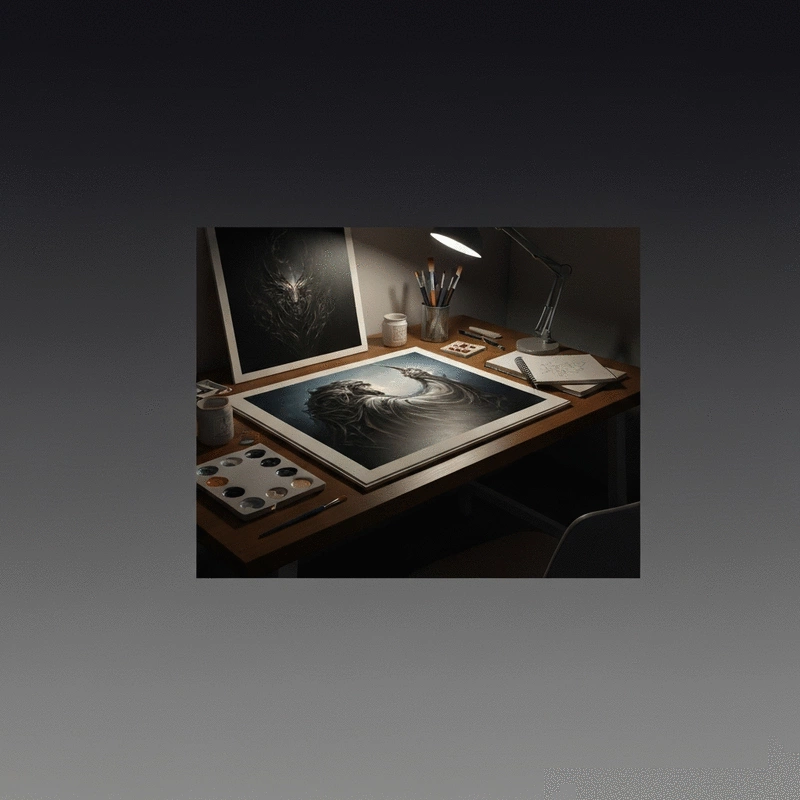
What if the shadows in your artwork could tell a story of their own? In the world of dark fantasy art, lighting is not just a technical choice; it shapes emotions, guides narratives, and enriches visual tales. The interplay of light and shadow can transform an ordinary scene into a captivating experience, inviting viewers to delve deeper into the mysteries of your creation.
What You Will Learn
- Understanding the role of light and shadow as narrative tools in dark fantasy art.
- How to manipulate lighting to evoke specific emotions, from dread to wonder.
- Techniques for using color temperature and intensity to shape the atmosphere of your illustrations.
- Effective lighting strategies such as spotlighting and backlighting to enhance visual storytelling.
- The importance of experimentation in lighting setups to discover your unique artistic voice.
Visual Storytelling through Dark Fantasy Lighting Techniques
In dark fantasy art, lighting is a powerful narrative tool, shaping emotions and perceptions. It dictates mood, emphasizes key elements, and adds depth to your creations. Below, explore the core techniques that illuminate character and atmosphere.
Narrative ImpactLight & Shadow: Storytelling Forces
- ✓ Light reveals truths & intentions.
- ✓ Shadow conceals secrets & mysteries.
- ✓ Contrast intensifies emotional drama.
Atmosphere CreationMood & Setting through Lighting
- ✓ Color Temperature: Warmth for comfort, cool for unease.
- ✓ Intensity: Bright energizes, dim forebodes.
- ✓ Direction: Angle casts shadows, creates drama.
Technique ToolkitEffective Lighting Approaches
- ✓ Spotlighting: Focuses attention on key elements.
- ✓ Backlighting: Creates mystery through silhouettes.
- ✓ Layered Lighting: Adds depth and complexity.
Creative GrowthExperimentation & Refinement
- ✓ Try unconventional light sources.
- ✓ Explore contrasting colors for emotion.
- ✓ Share work for feedback & collaboration.
Understanding the Importance of Lighting in Dark Fantasy Art
In the realm of dark fantasy art, lighting serves as a powerful narrative tool, guiding the viewer's emotions and perceptions. The interplay of light and shadow is not merely a technical choice; it is the essence of storytelling. By manipulating these elements, you can evoke a range of feelings—from the eerie calm of moonlit landscapes to the chaotic shadows of treacherous encounters. Understanding how these elements shape your art is crucial for any creator in our Arcane Chronicles community!
As we venture deeper into the world of dark fantasy, it's essential to recognize that every shadow tells a story. Imagine an ancient forest where beams of light pierce through the thick canopy, illuminating whispers of forgotten magic. Each flicker and glow can lead the audience's eye and heart, emphasizing the emotional stakes of our narratives.
How Light and Shadow Shape Narrative in Dark Fantasy
Light and shadow are the guiding forces that define your characters and settings. They can highlight a hero's bravery or a villain's wickedness. The artistic technique known as chiaroscuro, which emphasizes strong contrasts between light and dark, is particularly effective in creating dramatic tension in such narratives. Consider these key points:
- Light reveals: It can expose truths and intentions, setting the stage for conflict.
- Shadow conceals: It shrouds secrets and mysteries, heightening tension and intrigue.
- Contrast creates drama: The balance between light and dark can intensify emotional impact. Mastering this contrast is fundamental to evoking powerful emotions.
Employing these principles in your illustrations can significantly enhance their narrative depth. As you craft your tales, think about how these elements interact in the scenes you depict. This awareness will transform your artwork into a vivid reflection of the dark fantasies we cherish.
The Role of Mood and Atmosphere in Fantasy Illustration
In dark fantasy, mood and atmosphere are often dictated by your lighting choices. The right lighting can evoke feelings of dread, wonder, or suspense. How do we achieve this? Here are a few strategies:
- Color Temperature: Warmer tones can create comfort, while cooler hues often bring unease.
- Intensity: Bright light can energize a scene, while dim lighting can invoke a sense of foreboding.
- Direction: The angle of your light source can cast long shadows or create harsh highlights, adding drama. For historical context on dramatic lighting, consider exploring the works of past masters who utilized this technique, as highlighted by resources like the Tate glossary on chiaroscuro.
As you explore these techniques, think about the emotions you wish to evoke. In our workshops at Arcane Chronicles, we often experiment with these elements to help creators find their unique visual voice. Engage with your art through mood—let it breathe and come alive!
Exploring Visual Storytelling through Effective Lighting Techniques
Visual storytelling hinges on how effectively you communicate through imagery. Lighting can be a narrative device, guiding the viewer's understanding of the scene. Here are some effective techniques to consider:
- Spotlighting: Direct light can focus attention on key elements or characters.
- Backlighting: Creating silhouettes adds mystery and allure to your subjects.
- Layered Lighting: Using multiple sources allows for depth and complexity, making a scene feel more alive.
As you incorporate these techniques into your work, think about the story you want to tell. Lighting is more than a technical element; it’s a way to weave your narrative into the visual fabric of your art. Join us in our upcoming workshops where we'll delve deeper into these methods, sharing insights that will illuminate your creative path!
Did You Know?
According to a recent study, artworks that effectively utilize contrasting lighting can increase viewer engagement by up to 60%. This highlights the critical role that light and shadow play in enhancing the narrative of your illustrations.
Frequently Asked Questions About Lighting in Dark Fantasy Art
- Q: How does lighting contribute to storytelling in dark fantasy art?
- A: Lighting is a powerful narrative tool that shapes emotions, guides perception, and adds depth. It emphasizes key elements, reveals truths or conceals secrets, and creates dramatic contrast to intensify emotional impact.
- Q: What role do color temperature and intensity play in setting the mood?
- A: Color temperature dictates the emotional tone: warm hues can suggest comfort or danger, while cool hues often evoke unease or mystery. Light intensity also matters; bright light can energize a scene, whereas dim lighting can create a sense of foreboding or suspense.
- Q: What are some effective lighting techniques for visual storytelling?
- A: Effective techniques include spotlighting (to direct viewer attention), backlighting (to create mystery through silhouettes), and layered lighting (for depth and complexity). These methods help weave the narrative into the visual fabric of the artwork.
- Q: Why is experimentation important in developing unique lighting styles?
- A: Experimentation is crucial for discovering your unique artistic voice. By trying unconventional light sources, exploring contrasting colors, and playing with different setups, artists can make striking discoveries and refine their skills, fostering creative growth.
- Q: How can lighting affect character mood and audience perception?
- A: Lighting profoundly impacts how audiences perceive characters and their journeys. It can shroud characters in mystery, illuminate their bravery, or emphasize their vulnerability, directly influencing the emotional resonance and narrative depth of the illustration.
Concluding Insights on Lighting's Role in Dark Fantasy Art
As we draw this exploration of lighting techniques to a close, it's crucial to reflect on the transformative power that light holds in dark fantasy art. The techniques we've discussed can dramatically alter not only the visual appeal but also the narrative depth of your creations. By mastering these techniques, you can turn a simple illustration into a captivating story that resonates with viewers.
To recap, remember the importance of using a single light source, how rim lighting and backlighting can create dynamic depth, and the way color theory can guide your choices. Each of these elements works in harmony to shape the mood and atmosphere of your artwork, breathing life into the shadows and illuminating hidden narratives.
Encouragement to Experiment and Refine Your Art
In the world of dark fantasy, experimentation is your greatest ally! Don't hesitate to play with different lighting setups, color palettes, and techniques. The beauty of art lies in its fluidity; sometimes, the most striking discoveries come from unexpected choices. Just like the heroes and anti-heroes in our tales, your journey as an artist will be filled with twists, turns, and moments of inspiration.
- Try using unconventional light sources to create unique atmospheres.
- Explore contrasting colors to evoke different emotions.
- Share your experiments in our Arcane Chronicles community for feedback and collaboration!
As you refine your skills, don't forget to keep an eye on the emotional impact your lighting choices have on your characters and scenes. Each decision, from the soft glow of a candle to the harsh light of a full moon, contributes to the larger narrative tapestry you're weaving.
Reflecting on Emotional Impact and Character Mood through Lighting
Ultimately, lighting is not just a technical aspect; it's a powerful storytelling tool. The way you illuminate your characters can profoundly affect how audiences perceive their journeys. Are they shrouded in mystery, or do they bask in the warmth of hope? As we create, I encourage you to ask yourself: what emotions are you aiming to evoke, and how can your lighting choices enhance that narrative?
As we continue to delve into the realms of dark fantasy art at Arcane Chronicles, I invite you to explore and embrace the emotional resonance that lighting can bring to your illustrations. Together, let's illuminate our stories and captivate our audience with every brushstroke and shadow!
Engagement and Further Learning Opportunities
Join the Community of Dark Fantasy Artists
If you're eager to deepen your understanding and connect with fellow creators, I invite you to join our vibrant community at Arcane Chronicles. Here, you can share your art, seek advice, and collaborate on exciting projects. Your voice matters, and together we can explore the enchanting realms of dark fantasy!
Resources for Continued Learning in Illustration Techniques
To support your journey, we offer a variety of resources designed to enhance your illustration skills. From workshops focused on lighting techniques to courses on character development, there’s something for every aspiring artist. Check our website for the latest updates and opportunities to expand your creative arsenal.
Exploring Art Tutorials for Enhancing Your Lighting Skills
Looking for practical guidance? Our collection of art tutorials is tailored to help you improve your lighting skills specifically within dark fantasy. Each tutorial is crafted to ensure you gain hands-on experience with techniques that resonate with the themes and styles we cherish. Dive in and let your creativity flourish as you experiment with new lighting approaches!
Recap of Key Points
Here is a quick recap of the important points discussed in the article:
- Lighting as a Narrative Tool: Utilize light and shadow to evoke emotions and guide storytelling in dark fantasy art.
- Understanding Mood and Atmosphere: Choose color temperature, intensity, and direction of light to create the desired emotional impact.
- Effective Lighting Techniques: Employ spotlighting, backlighting, and layered lighting to enhance visual storytelling.
- Experimentation is Key: Explore unconventional lighting setups and color palettes to discover unique artistic expressions.
- Emotional Resonance: Reflect on how lighting choices impact character mood and audience perception.
Elara Nightshade
Elara Nightshade is a passionate creator and storyteller, dedicated to the art of dark fantasy. With a background in graphic storytelling and a deep love for gothic mythology, Elara weaves intricate narratives that explore the depths of forbidden magic and the complexities of fallen heroes. Through her work, she aims to inspire both fans and fellow creators to delve into the enchanting realms of dark fantasy.
Popular Posts
Dark Fantasy Art: Trends Unveiled
![Dark Fantasy Art: Trends Unveiled]() As the shadows deepen and the eerie beauty of dark fantasy art draws you in, consider this: What if
 As the shadows deepen and the eerie beauty of dark fantasy art draws you in, consider this: What if
Understanding Fear in Dark Fantasy
![Understanding Fear in Dark Fantasy]() What if you could explore the depths of your fears in a safe space?
Dark fantasy does just that, inv
 What if you could explore the depths of your fears in a safe space?
Dark fantasy does just that, inv
Lighting Techniques in Dark Fantasy
![Lighting Techniques in Dark Fantasy]() What if the shadows in your artwork could tell a story of their own? In the world of dark fantasy ar
 What if the shadows in your artwork could tell a story of their own? In the world of dark fantasy ar
Building Collaborative Dark Fantasy Universes
![Building Collaborative Dark Fantasy Universes]() Collaboration in storytelling transforms individual visions into a rich tapestry of interconnected n
 Collaboration in storytelling transforms individual visions into a rich tapestry of interconnected n
