Dark Fantasy Art: Trends Unveiled
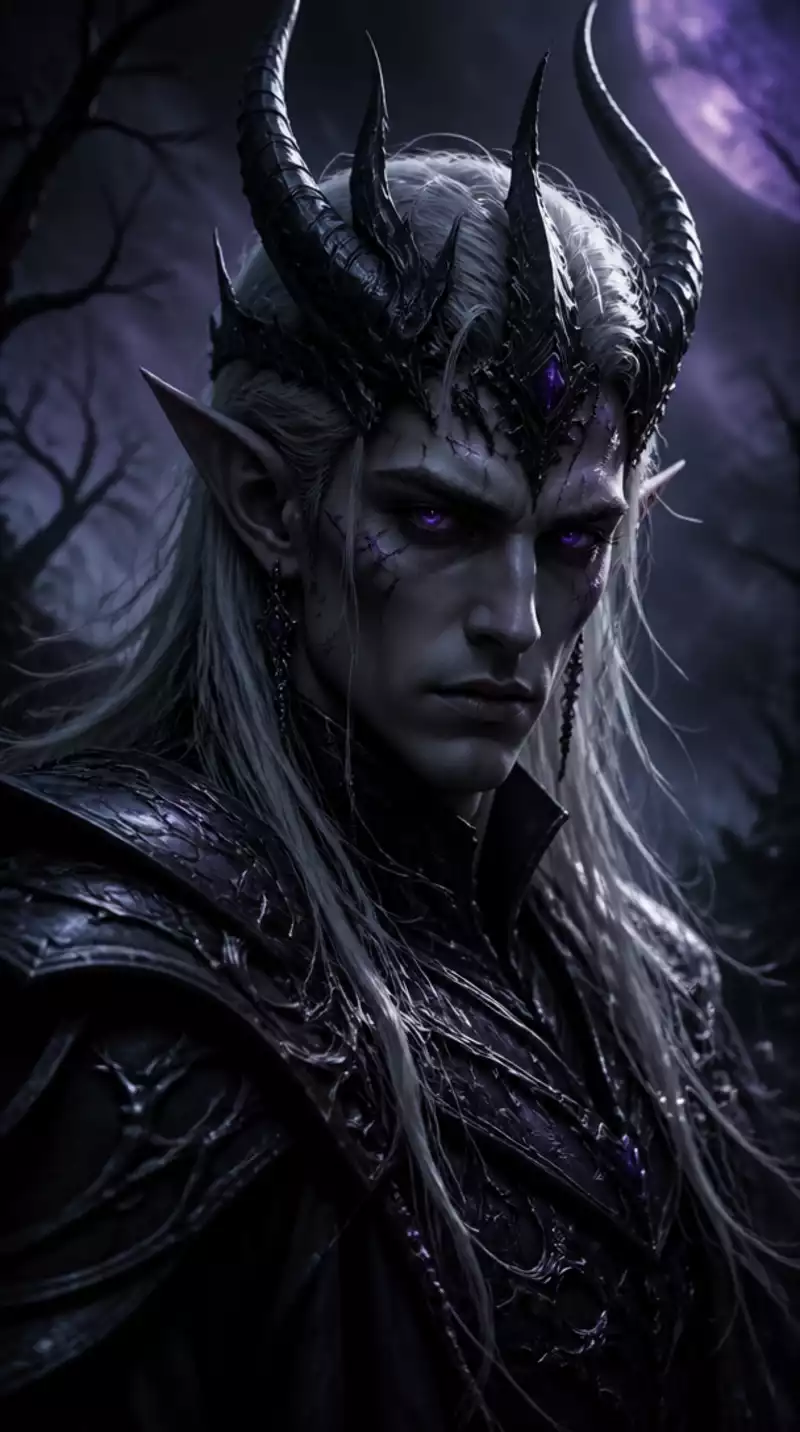
As the shadows deepen and the eerie beauty of dark fantasy art draws you in, consider this: What if the stories we create reflect not just the worlds we imagine, but the depths of our own souls? In exploring this genre, we uncover a blend of reality and the macabre that resonates profoundly with our experiences.
What You Will Learn
- The importance of atmospheric settings in evoking mystery and depth in dark fantasy art.
- How complex character development enhances the narrative by exploring moral ambiguities.
- The role of symbolism in conveying profound themes and emotions through visual imagery.
- Current trends such as dark realism, which aim to ground fantastical art in relatable emotion and detail.
- The impact of hybrid art techniques that fuse traditional methods with digital innovations for richer storytelling.
- How pop culture and mythology serve as a dynamic backdrop for new interpretations in dark fantasy art.
- The ongoing transformation of dark fantasy aesthetics, integrating diverse cultural myths and psychological themes.
- The importance of maintaining artistic integrity while embracing new technologies and tools.
Evolution and Future Trends in Dark Fantasy Art
The dark fantasy art genre is continually adapting, blending traditional and modern techniques while drawing inspiration from diverse sources. This visual highlights key aspects of its evolution, current trends, and future directions.
Defining Elements
Atmospheric settings, complex characters, and rich symbolism are foundational to dark fantasy art, evoking mystery and moral ambiguity.
- Eerie Landscapes
- Moral Ambiguities
- Profound Themes
Visual Styles
The genre blends Gothic, Surreal, and Cinematic elements to create evocative and immersive imagery.
- Gothic Architecture
- Dreamlike Qualities
- Dramatic Composition
Current Trends
Dark realism and hybrid techniques are pushing boundaries, fusing traditional and digital methods.
- Dark Realism
- Mixed Media
- Digital Enhancements
Influences & Innovations
Pop culture, mythology, and technology drive new interpretations and cross-genre creations.
- Reimagined Legends
- Cross-Genre Blends
- AI Integration
Understanding Dark Fantasy Art and Its Unique Aesthetic
Dark fantasy art is a captivating realm where the shadows whisper secrets and the eerie beauty of the macabre takes center stage. This unique genre intertwines elements of fantasy with a darker, often gothic undertone, creating an aesthetic that speaks to the depths of our imagination. As a passionate creator at Arcane Chronicles, I believe it’s essential to explore the key characteristics and influences that define this captivating art form.
At its core, dark fantasy art thrives on the juxtaposition of light and dark, often reflecting complex themes such as struggle, loss, and the intertwining of magic and reality. Artists draw inspiration from a variety of sources, including gothic literature, folklore, and the surreal, to create a visual narrative that resonates on multiple levels.
Defining Dark Fantasy: Key Characteristics and Influences
To truly appreciate dark fantasy art, one must first understand its defining elements. This genre is marked by:
- Atmospheric Settings: Often set in eerie landscapes or ruined castles, these settings evoke a sense of mystery.
- Complex Characters: Heroes and villains alike possess depth, often grappling with their own moral ambiguities.
- Symbolism: Rich in metaphor, dark fantasy art frequently uses imagery to convey profound themes and emotions.
Within this intricate web of influences, we uncover the origins of dark fantasy in art, which can be traced back to various cultural narratives and mythology. As we delve into these roots, we see how they shape modern interpretations and inspire new creations.
The Origins of Dark Fantasy in Art
The genesis of dark fantasy art is steeped in history, with roots found in the works of early storytellers and artists. From the gothic cathedrals of the Middle Ages to the haunting tales of Edgar Allan Poe, the aesthetic has evolved while maintaining its core essence. The exploration of the supernatural and the macabre has always fascinated humanity, and artists have long sought to capture this intrigue through their work. For a deeper dive into how this genre has been showcased, you can explore exhibitions dedicated to dark fantasy.
As a storyteller myself, I find it fascinating how these early influences continue to resonate today! They remind us that the allure of the dark is timeless and universal.
Visual Elements: Gothic, Surreal, and Cinematic Styles
Dark fantasy art is characterized by its rich visual elements, which often blend various styles to create evocative imagery. Some key styles include:
- Gothic: Features ornate architecture, shadowy figures, and a sense of foreboding.
- Surreal: Incorporates dreamlike qualities, twisting reality into fantastical shapes.
- Cinematic: Employs dramatic lighting and composition, making the viewer feel as though they are part of the story.
These visual styles enhance the storytelling experience, inviting viewers to immerse themselves in the worlds crafted by artists. Whether you're a seasoned creator or just beginning your journey, understanding these elements is crucial to mastering the dark fantasy aesthetic.
Current Trends in Dark Fantasy Art
In the vibrant world of dark fantasy art, trends continue to shift and evolve. One notable trend is the rise of dark realism, where artists strive to create art that feels both fantastical and grounded in reality. This movement emphasizes intricate details and emotional depth, allowing viewers to connect with the artwork on a personal level.
As we explore these trends, it's clear that the boundaries of dark fantasy are expanding, influenced by both traditional techniques and modern innovations.
The Rise of Dark Realism and Its Impact on Visual Storytelling
Dark realism is reshaping how we perceive and create dark fantasy art. By focusing on realistic portrayals of emotion and physicality, artists invite viewers to confront the darker aspects of human nature. This style doesn't just captivate the eye; it tells a story that resonates with our deepest fears and desires. You can read more about the philosophy behind dark art and its connection to profound human experiences.
As a creator at Arcane Chronicles, I’ve witnessed how this authentic representation can breathe life into characters and settings, making them more relatable and compelling.
Exploring Hybrid Art Techniques: Traditional Meets Digital
Today, many artists are embracing hybrid techniques that fuse traditional art forms with cutting-edge digital tools. This blend not only allows for greater creative freedom but also enhances the storytelling potential of dark fantasy art. Some techniques include:
- Digital Illustrations: Artists can create stunning, layered pieces that combine hand-drawn elements with digital enhancements.
- Mixed Media: Works that incorporate various materials—like paint, photography, and digital manipulation—create a rich tapestry of visuals.
These innovative techniques open new avenues for storytelling, making the art more dynamic and engaging for audiences.
Influences of Pop Culture and Mythology in Dark Fantasy Artwork
Pop culture and mythology serve as powerful sources of inspiration for dark fantasy artists. From classic literature to contemporary films and video games, these narratives provide a rich backdrop for creativity. Artists often reinterpret these stories, blending familiar elements with their unique visions, leading to:
- New Interpretations of Legends: Characters and tales are reimagined, offering fresh perspectives on age-old myths.
- Cross-Genre Influences: Elements from horror, science fiction, and fantasy intertwine, creating unique hybrids.
As we navigate through these influences, we can see how dark fantasy art continuously evolves, appealing to both new and longstanding fans alike. For additional insights into the evolving nature of the genre, consider exploring resources that discuss the broader themes and artists in dark fantasy.
Pro Tip
Did you know? Integrating elements of your personal experiences or local folklore into your dark fantasy art can create a unique narrative that resonates with viewers. Authenticity in storytelling not only enriches your artwork but also fosters a deeper connection with your audience.
Frequently Asked Questions About Dark Fantasy Art
What are the defining elements of dark fantasy art?
Dark fantasy art is defined by atmospheric settings, complex characters grappling with moral ambiguities, and rich symbolism. These elements work together to evoke mystery and profound emotions.
How has dark fantasy art evolved over time?
The genre has evolved from its roots in gothic literature and folklore, incorporating surreal and cinematic styles. Modern evolution includes dark realism and hybrid art techniques that blend traditional and digital methods, influenced heavily by pop culture and mythology.
What is "dark realism" in dark fantasy art?
Dark realism is a current trend in dark fantasy art that focuses on creating fantastical art grounded in relatable reality. It emphasizes intricate details and emotional depth to connect with viewers on a personal level, portraying the darker aspects of human nature realistically.
How do hybrid art techniques contribute to the genre?
Hybrid art techniques combine traditional art forms (like drawing and painting) with digital tools (like digital illustration and manipulation). This fusion allows for greater creative freedom, enhanced storytelling potential, and more dynamic, engaging visuals.
How can aspiring artists get started in dark fantasy art?
Aspiring artists can find numerous resources, including online platforms for sharing work, workshops, webinars, and social media groups dedicated to dark fantasy. Continuous learning through online courses, tutorials, and books on the genre's history and theory is also highly recommended.
Summarizing the Evolution and Future of Dark Fantasy Art
As we traverse the winding paths of dark fantasy art, it becomes evident that the evolution of this genre is not merely a reflection of trends but a testament to the enduring power of storytelling. From its roots steeped in gothic influences to the cutting-edge techniques we see today, dark fantasy art has continually adapted, drawing in both creators and audiences alike. This ongoing transformation speaks to our innate desire to explore the shadows and mysteries that lie beyond the veil of reality.
We can summarize the current landscape of dark fantasy art with these pivotal trends:
- The fusion of traditional and digital techniques, creating a rich tapestry of visual experiences.
- The rise of hybrid styles, where surrealism and realism collide to evoke deeper emotional responses.
- The increasing influence of technology, especially AI tools, reshaping how we create and perceive art.
These movements not only highlight the adaptability of dark fantasy art but also point towards a bright future, one where innovation and creativity flourish in tandem.
Key Takeaways on Trends and Innovations in the Industry
The dark fantasy aesthetic is in a state of constant flux, embracing new ideas while remaining anchored in its vibrant history. One of the most significant aspects of this evolution is the ongoing transformation of dark fantasy aesthetics. Artists are redefining what it means to create within this genre, pushing boundaries and venturing into uncharted territories with each new piece.
The Ongoing Transformation of Dark Fantasy Aesthetics
In examining the changing aesthetics of dark fantasy art, we can identify several key features:
- Integration of diverse cultural myths and legends, expanding the narrative scope.
- Exploration of psychological themes, delving into the human experience of fear and fascination.
- Incorporation of environmental elements, emphasizing the connection between characters and their worlds.
As these elements intertwine, they create a more dynamic and multifaceted approach to storytelling that resonates with audiences on multiple levels.
Embracing Technology While Preserving Artistic Integrity
As we embrace the allure of modern technology, it’s crucial that we also preserve our artistic integrity. While tools like AI can enhance creativity, it’s essential to maintain the unique voice that defines our work. At Arcane Chronicles, we believe in using technology as a means to amplify our stories rather than replace the human touch that makes art so profoundly impactful.
To strike this balance, artists should consider the following:
- Utilize AI tools for inspiration, but ensure personal style and narrative remain distinct.
- Engage in continuous learning, exploring both traditional methods and innovative technologies.
- Foster collaboration within the community to share insights and techniques that uphold artistic values.
By doing so, we can celebrate the beauty of dark fantasy art while paving the way for future innovations.
Encouraging Future Creators in Dark Fantasy Art
To those who feel the magnetic pull of dark fantasy art, I encourage you to delve deeper into this enchanting realm. The path to becoming a creator is filled with opportunities and resources that can guide your artistic journey. At Arcane Chronicles, we are dedicated to nurturing emerging talents, providing a space for collaboration, and fostering the exchange of ideas.
Resources and Communities for Emerging Artists
There are countless resources available for aspiring dark fantasy artists. Here are a few that can aid your creative growth:
- Online platforms where you can share your artwork and receive feedback.
- Workshops and webinars, like those we offer at Arcane Chronicles, focusing on specific techniques and storytelling strategies.
- Social media groups and forums dedicated to dark fantasy, connecting you with like-minded creators.
These resources not only provide valuable insights but also foster a sense of community that can propel your artistry forward.
Art Education and Tutorials for Aspiring Dark Fantasy Artists
Continuous learning is vital in honing your craft. There are numerous art education resources tailored for those interested in dark fantasy:
- Online courses focusing on digital painting, character design, and world-building.
- Tutorials that explore the use of color and lighting to evoke emotion.
- Books and essays on the history and theory of dark fantasy, enriching your understanding of the genre.
Embrace these learning opportunities, and remember that every stroke of the brush or click of the mouse is a step towards your unique expression of dark fantasy. Together, we can illuminate the shadows and breathe life into the captivating narratives that await us.
Recap of Key Points
Here is a quick recap of the important points discussed in the article:
- Dark fantasy art blends elements of fantasy and gothic themes, focusing on the interplay of light and dark.
- Key characteristics include atmospheric settings, complex characters, and rich symbolism.
- Current trends highlight the rise of dark realism and hybrid art techniques that combine traditional and digital methods.
- Pop culture and mythology significantly influence modern interpretations of dark fantasy art.
- Embracing technology while preserving artistic integrity is essential for future creators.
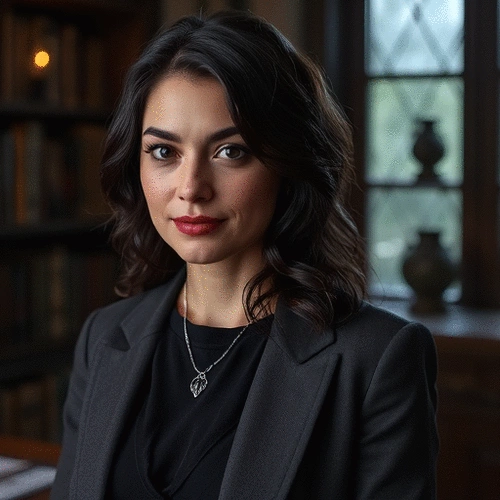
Elara Nightshade
Elara Nightshade is a passionate creator and storyteller, dedicated to the art of dark fantasy. With a background in graphic storytelling and a deep love for gothic mythology, Elara weaves intricate narratives that explore the depths of forbidden magic and the complexities of fallen heroes. Through her work, she aims to inspire both fans and fellow creators to delve into the enchanting realms of dark fantasy.
Popular Posts
Dark Fantasy Art: Trends Unveiled
![Dark Fantasy Art: Trends Unveiled]() As the shadows deepen and the eerie beauty of dark fantasy art draws you in, consider this: What if
 As the shadows deepen and the eerie beauty of dark fantasy art draws you in, consider this: What if
Understanding Fear in Dark Fantasy
![Understanding Fear in Dark Fantasy]() What if you could explore the depths of your fears in a safe space?
Dark fantasy does just that, inv
 What if you could explore the depths of your fears in a safe space?
Dark fantasy does just that, inv
Lighting Techniques in Dark Fantasy
![Lighting Techniques in Dark Fantasy]() What if the shadows in your artwork could tell a story of their own? In the world of dark fantasy ar
 What if the shadows in your artwork could tell a story of their own? In the world of dark fantasy ar
Building Collaborative Dark Fantasy Universes
![Building Collaborative Dark Fantasy Universes]() Collaboration in storytelling transforms individual visions into a rich tapestry of interconnected n
 Collaboration in storytelling transforms individual visions into a rich tapestry of interconnected n
