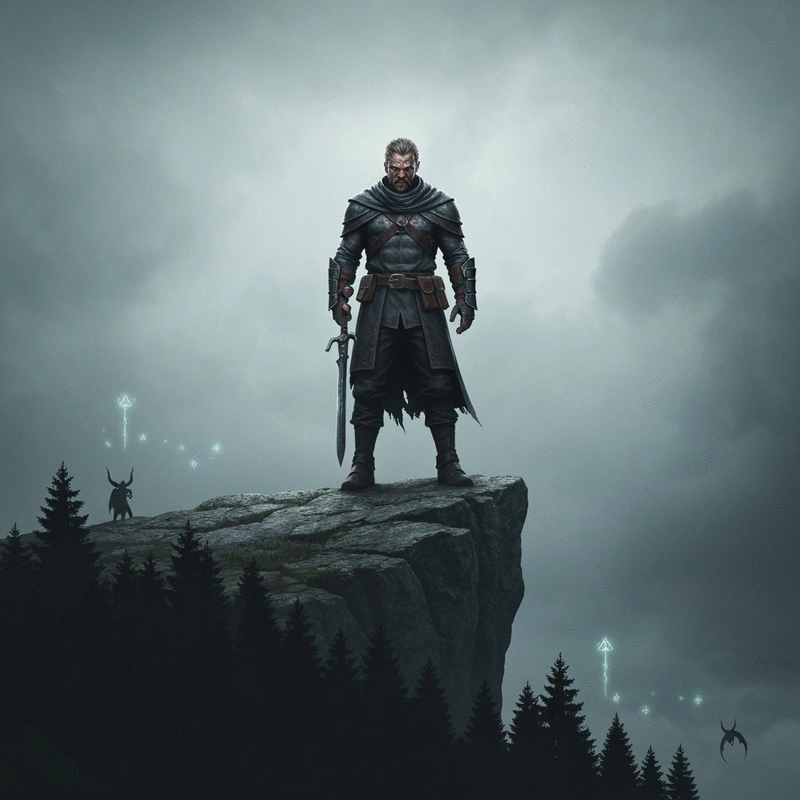
As we explore the compelling world of dark fantasy comics, we uncover profound insights into the archetypes and themes that define the fallen hero. What can these narratives teach us about resilience and redemption? Let's dive into the key takeaways.
What You Will Learn
The significance of archetypes such as reluctant heroes, tragic figures, and anti-heroes in shaping character narratives.
How the representation of fallen heroes has evolved from classic tales to modern interpretations, reflecting societal shifts in morality.
The role of moral ambiguity in engaging readers, encouraging empathy toward characters despite their flaws.
Psychological depth as a vital component of character development, providing insight into their motivations and struggles.
Key factors leading to a character’s fall, including manipulation, personal struggles, and environmental influences.
The impact of complex narratives and artistic styles in enriching the portrayal of fallen heroes and their journeys.
Evolution of the Fallen Hero Trope: Classic vs. Modern Archetypes
The representation of fallen heroes has transformed significantly, moving from classic tragic figures to complex modern anti-heroes. This visual explores the journey from foundational archetypes to contemporary interpretations.
Classic Fallen Hero Representations
Rooted in ancient tales, these figures often embody sacrifice and consequence. Their struggles are typically external, driven by fate or divine intervention.
Contemporary anti-heroes challenge traditional morality, often driven by complex internal conflicts and personal demons.
Anti-Heroes: Deadpool, Spawn
Key Traits: Moral Ambiguity, Internal Conflict, Nuanced Motivations
Moral Angle: Blurred lines, shades of gray
The Roots of the Fallen Hero in Dark Fantasy Comics
In the enchanting realm of dark fantasy comics, the fallen hero trope serves as a rich tapestry, woven with threads of tragedy and redemption. I’ve always found myself captivated by the archetypes that breathe life into these narratives. From biblical figures to mythological characters, these foundational elements deeply influence character development, shaping their journeys through the shadows of their past. To learn more about the genre, explore this overview of dark fantasy.
As I explore the depths of these archetypes, I can’t help but ponder: How does each character’s backstory sculpt their motivations? What lessons can we glean from their falls from grace? The answers often lie within the pages of our favorite comics, where the line between hero and villain blurs.
Understanding Archetypes in Dark Fantasy Narratives
Reluctant Heroes: Characters who possess great potential but struggle with their dual nature.
Tragic Figures: Individuals who succumb to personal demons and societal pressures.
Anti-Heroes: Complex characters who operate outside traditional moral boundaries.
These archetypes not only define our heroes but also set the stage for their moral dilemmas. As creators at Arcane Chronicles, we can draw inspiration from these foundational elements to craft narratives that resonate with audiences, inviting them into a world where every choice carries weight.
Classic vs. Modern Representations: A Comparative Overview
When we look at the evolution of fallen heroes, it’s fascinating to see how their representations have transformed. In the classic tales, we often encounter tragic figures like Dante or even Prometheus, whose tales are steeped in sacrifice and consequence. Fast forward to today, and we find ourselves immersed in a landscape populated by modern anti-heroes—characters like Deadpool and Spawn—who challenge the traditional hero's journey. Delve deeper into the psychological underpinnings of these characters with this study on psychological archetypes in narratives.
As these narratives unfold, they raise critical questions about morality and redemption. Have we moved towards a more nuanced understanding of heroism, or are we simply drawn to chaos? The answer is complex, and it’s a discussion worth having among our community of creators.
Thematic Exploration of Moral Ambiguity in Dark Fantasy
Moral ambiguity is the lifeblood of dark fantasy, serving to engage readers on a deeper level. Within this genre, heroes often wrestle with their inner darkness, presenting a mirror to our own struggles with right and wrong. This complexity adds richness to their character arcs, compelling us to empathize even when they falter. At Arcane Chronicles, we can harness this thematic exploration in our storytelling, creating characters that reflect the multifaceted nature of humanity.
Internal Conflict: Heroes grappling with their choices and the consequences that follow.
Societal Critique: Characters who challenge the status quo, questioning societal values.
Redemption Arcs: Journeys that explore the possibility of rising from the ashes of one’s mistakes.
This thematic depth not only enriches our narratives but also resonates with readers, allowing them to explore their own beliefs alongside our characters. With every story we craft, we invite our audience to embrace the shadows and find light within the darkness.
The Psychological and Narrative Journey of the Fallen Hero
As we delve deeper into the fallen hero's journey, it becomes evident that psychology plays a crucial role in shaping these characters. Understanding their flaws and the circumstances leading to their fall offers invaluable insight into their motivations. What drives a once-heroic figure to embrace villainy? Is it external manipulation, internal demons, or a mixture of both?
In our workshops at Arcane Chronicles, we often explore these psychological landscapes, encouraging creators to dig into their characters’ psyches. After all, the most compelling stories emerge from a place of authenticity and emotional depth.
Character Flaws and Circumstances Leading to a Fall
Manipulation: External forces that push heroes toward dark decisions.
Personal Struggles: Internal conflicts that create tension and drive narratives.
Environmental Influences: Societal and cultural pressures that shape character choices.
By examining these factors, we can create well-rounded characters whose journeys resonate with readers. It’s a reminder that even in darkness, there lies a story worth telling—a story that reflects our own trials and tribulations.
Emotional Engagement through Moral Ambiguity
The allure of the fallen hero lies in their relatability. Audiences are drawn to these characters because they mirror our own flaws and struggles. As we navigate their complex worlds, we find ourselves wrestling with moral ambiguity. Is there truly a line between good and evil? Or do we all possess the potential for both? For a detailed analysis of anti-hero narratives, consider this examination of anti-heroism in popular culture.
This emotional engagement is what makes dark fantasy comics so captivating. Readers don’t just observe; they feel the weight of each decision made by the characters. As creators, we have the unique opportunity to craft these emotional arcs and invite our audience to reflect on their own journeys.
The Role of Psychological Depth in Character Development
Psychological depth informs every facet of character development in dark fantasy. As we peel back the layers of a character's psyche, we uncover the motivations that drive their actions. What fears shape their choices? How does their past haunt them? Answering these questions adds a rich narrative layer that hooks readers from the very first panel.
Backstory Exploration: Delving into a character’s past to understand their present.
Conflict Resolution: How characters navigate their internal struggles can lead to profound growth.
Relationships with Others: Interactions with other characters can reveal hidden facets of personality.
Incorporating psychological elements into our storytelling not only enhances character complexity but also deepens the reader's connection to the narrative. At Arcane Chronicles, we strive to create characters whose psychological journeys resonate and linger long after the final page is turned.
We Want to Hear From You!
As we explore the intricate world of fallen heroes in dark fantasy comics, we’d love to know your thoughts! Which archetype resonates with you the most?
Frequently Asked Questions About Fallen Heroes in Dark Fantasy Comics
What defines a "fallen hero" in dark fantasy comics?
A fallen hero is a character who once possessed heroic qualities but has undergone a significant moral or physical decline, often due to personal flaws, manipulation, or tragic circumstances. They are typically characterized by their internal conflicts and moral ambiguity.
How have fallen hero archetypes evolved from classic tales to modern interpretations?
Classic fallen heroes, like Dante or Prometheus, were often tragic figures whose struggles were external and driven by fate, with a clear distinction between good and evil. Modern interpretations, such as Deadpool or Spawn, are more complex anti-heroes driven by internal conflicts and personal demons, blurring the lines of morality.
What role does moral ambiguity play in engaging readers with fallen heroes?
Moral ambiguity allows readers to empathize with characters despite their flaws, as it mirrors the complexities of real-world morality. It creates internal conflict for the characters and prompts readers to question traditional notions of good and evil, leading to a deeper emotional connection with the narrative.
Why is psychological depth important for character development in fallen hero narratives?
Psychological depth is crucial because it provides insight into a character's motivations, fears, and struggles. Understanding their past, internal conflicts, and relationships helps explain their fall from grace and makes their journey more authentic and relatable to readers.
What are some common factors that lead to a character's fall?
Key factors include external manipulation, severe personal struggles (e.g., addiction, trauma, hubris), and environmental influences such as societal pressures or corrupting forces. These elements often combine to push a once-heroic figure towards a darker path.
Summarizing the Evolution of the Fallen Hero Trope in Comics
As we traverse the shadowy landscape of dark fantasy comics, it's striking to witness the evolution of the fallen hero trope. From their origins steeped in classic tragedy to the contemporary twists that redefine heroism, these characters encapsulate the complexities of human morality. The journey of the fallen hero reflects not only personal struggles but also societal shifts, illustrating a rich tapestry of narrative depth that resonates with readers.
In this exploration, we can identify key trends that have shaped the fallen hero's portrayal:
Transformation of Archetypes: The shift from noble heroes to morally ambiguous figures has redefined what it means to be a hero.
Complex Narratives: Modern storytelling embraces intricate plots, allowing heroes to grapple with their flaws and choices.
Visual Impact: Artistic styles enhance emotional depth, bringing the struggle of fallen heroes to life in vivid detail.
At Arcane Chronicles, we celebrate these narratives as they invite us to reflect on our own struggles with morality and redemption. The fallen hero trope challenges us to question the very nature of good and evil—an exploration that resonates deeply in our workshops and creative endeavors.
Engaging with the Fallen Hero: A Call to Explore Further
As we conclude this analysis of the fallen hero in dark fantasy comics, I invite you to dive deeper into these captivating narratives. The layered storytelling and character complexities beckon us to not only read but also to create. Whether you’re a seasoned comic artist or a budding writer, there’s a world of inspiration waiting for you!
Consider engaging with the following:
Participate in Workshops: Join us at Arcane Chronicles for creative sessions that explore character development and narrative structures.
Explore Our Community: Connect with fellow enthusiasts who share your passion for dark fantasy and storytelling.
Share Your Own Narratives: Bring your interpretations of fallen heroes to life and showcase your work within our vibrant community.
The rich narratives we’ve uncovered are mere gateways into the vast world of dark fantasy. So, pick up your pens and sketchbooks, and let’s breathe life into the shadows together! The realms of magic and moral ambiguity await your unique voice.
Recap of Key Points
Here is a quick recap of the important points discussed in the article:
Fallen Hero Archetypes: Explore the complexity of reluctant heroes, tragic figures, and anti-heroes to enrich character narratives.
Evolution of Representations: Understand how classic tragic heroes have transformed into modern anti-heroes, reflecting societal shifts.
Moral Ambiguity: Engage readers through characters that wrestle with internal conflicts, societal critiques, and redemption arcs.
Psychological Depth: Develop well-rounded characters by examining their flaws, motivations, and the circumstances leading to their falls.
Emotional Engagement: Create relatable characters that mirror the audience's struggles with good and evil, enhancing narrative connection.
Elara Nightshade
Elara Nightshade is a passionate creator and storyteller, dedicated to the art of dark fantasy. With a background in graphic storytelling and a deep love for gothic mythology, Elara weaves intricate narratives that explore the depths of forbidden magic and the complexities of fallen heroes. Through her work, she aims to inspire both fans and fellow creators to delve into the enchanting realms of dark fantasy.
Arcane Chronicles is a creative hub dedicated to unearthing the magic of dark fantasy comics. Our mission is to immerse you in intricate graphic tales and equip creators with insights for weaving their own compelling narratives.