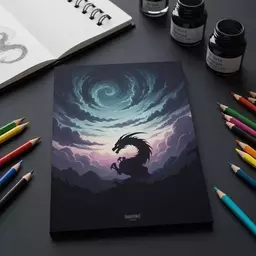
The rich tapestry of dark fantasy is intricately woven with threads of gothic folklore, where ancient tales continue to resonate and evolve. As we explore these transformations, consider how they mirror our own struggles and aspirations in the shadows. What depths of creativity can we uncover by delving into the past?
What You Will Learn
Gothic folklore serves as the foundation for many dark fantasy narratives, shaping modern storytelling with timeless themes.
Understanding mythological archetypes enhances character development and resonates with universal themes of morality and consequence.
The interplay between nature and the supernatural creates an eerie atmosphere, enriching the narrative experience.
Folkloric creatures symbolize complex human emotions and serve as powerful catalysts in dark fantasy narratives.
Crafting authentic narratives involves integrating mythological elements, establishing modern parallels, and subverting expectations.
Thematic Transformations: Gothic Folklore to Dark Fantasy
Delve into the evolution of gothic folklore themes and creatures as they transition into modern dark fantasy narratives. See how ancient myths are reimagined, providing both continuity and fresh perspectives to storytelling.
Understanding the Transformation of Gothic Folklore in Dark Fantasy Narratives
The world of dark fantasy is a tapestry woven with threads of gothic folklore, rich in myth and mystery. At Arcane Chronicles, we explore how these ancient tales have transformed, influencing contemporary storytelling in profound ways. The evolution of gothic elements from their mythological roots offers us a glimpse into our collective unconscious, showcasing themes of magic, morality, and the eternal battle between light and darkness.
As we delve into this enchanting realm, we can appreciate the intricate dance between folklore and modern narratives. Whether you're a creator or a fan, understanding these transformations helps us uncover the deeper meanings in our favorite dark fantasy tales!
The Roots of Gothic Folklore: Mythology's Role in Dark Fantasy
Gothic folklore serves as the foundation for many dark fantasy narratives, drawing upon the timeless appeal of ancient myths. These stories have been passed down through generations, evolving as they traverse cultures and time periods. Examining how these myths have shaped gothic elements reveals a captivating journey of creativity and interpretation. For additional insights into gothic lore, consider exploring the research conducted by groups such as The Dark Arts Research Group.
Mythological Archetypes: Heroes, villains, and creatures that resonate through time
Universal Themes: Love, betrayal, and the quest for power
Cultural Influence: How different cultures enrich gothic storytelling
By recognizing these roots, we can better appreciate the modern dark fantasy narratives that weave these ancient themes into their plots and characters. The transformation of these stories reflects our ongoing fascination with the unknown and the supernatural.
Exploring the Evolution of Folk Gothic Elements
As we explore the evolution of folk gothic elements, we see how they adapt to reflect societal changes and cultural shifts. From tales of haunting spirits to the exploration of forbidden magic, these narratives have morphed over time while maintaining their core essence. Each iteration not only entertains but also serves as a mirror to our fears and desires.
Consider how the witches of ancient folklore have transformed into complex characters in modern dark fantasy. Here, their depiction ranges from malevolent to misunderstood, emphasizing the rich tapestry of human experience.
Key Themes from Ancient Myths to Contemporary Storytelling
As we traverse from ancient myths to contemporary storytelling, several key themes emerge that have remained constant. These themes connect us, reminding us of our shared humanity and the struggles we face:
Conflict with the Natural World: Stories often highlight humanity's battle against primal forces.
Morality and Consequence: The choices of characters reflect moral dilemmas that resonate with our own lives.
Legacy of Curses: The burdens of the past often influence the present, illustrating the weight of history.
These enduring themes in dark fantasy narratives invite us all to reflect on our place within this grand story of life, reminding us that even in the shadows, there is a light to be found.
Unraveling the Interplay of Nature and the Supernatural
The interplay between nature and the supernatural plays a significant role in gothic folklore, creating an eerie atmosphere that captivates the imagination. Landscapes in dark fantasy often serve as more than mere settings; they are characters in their own right, reflecting the emotional stakes and themes of the narrative.
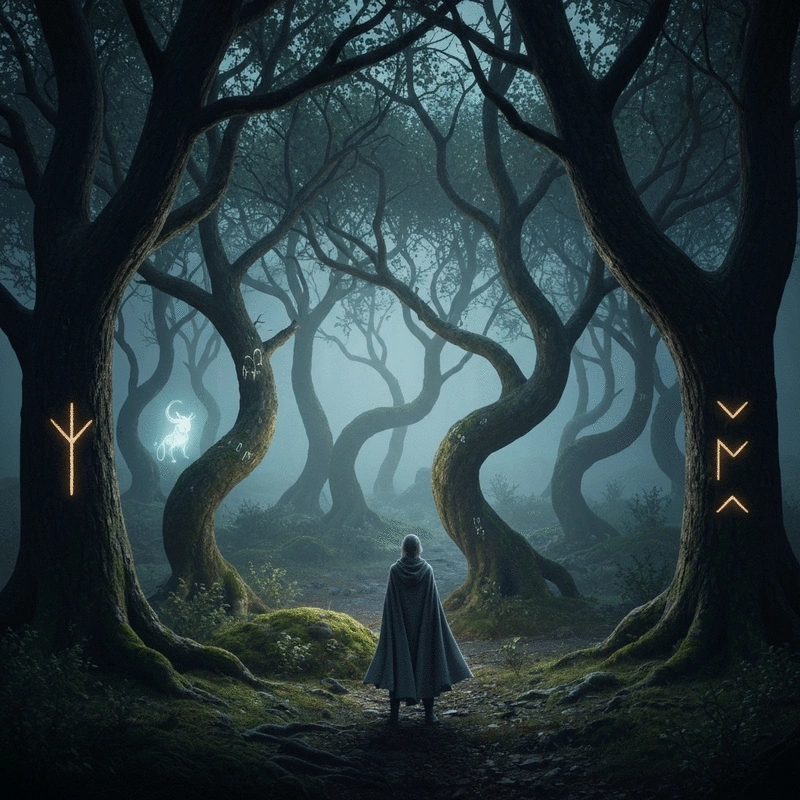
Eerie Forests: Whispering trees and shadowy paths that lead to the unknown.
Desolate Ruins: Structures that hold the memories of lost civilizations.
Stormy Skies: Nature's fury as a metaphor for internal conflict and turmoil.
By weaving these elements seamlessly into our tales, we can evoke the haunting beauty of the natural world and its connection to the supernatural, immersing readers in a landscape of both wonder and dread.
Eerie Landscapes and Their Significance in Gothic Lore
In dark fantasy, landscapes are imbued with meaning, often reflecting the inner turmoil of characters and the themes of the story. The eeriness of mist-laden forests or crumbling castles invokes a sense of foreboding, setting the tone for the narrative. These locations become symbols of the struggles faced by the characters, providing depth and resonance.
As we craft our stories, consider how the settings can enhance the overall atmosphere and drive the plot forward. At Arcane Chronicles, we encourage creators to visualize and embrace the landscapes that echo with gothic whispers.
Primal Forces vs. Civilization: What Modern Narratives Reflect
The tension between primal forces and civilization has long been a theme in gothic folklore, and it continues to resonate in modern narratives. Characters often find themselves at odds with the natural world or their own instincts, navigating the delicate balance between order and chaos. For those interested in deeper academic discussions on this topic, various conferences and events often explore the intersection of folklore, fantasy, and the gothic.
Nature as a Force of Destruction: The wild can be both beautiful and terrifying.
Civilization's Fragility: The thin veneer of society can crumble under pressure.
Characters as Bridging Forces: Protagonists often embody this struggle, torn between their desires and societal expectations.
By exploring these themes, we can uncover the rich layers of conflict that drive our stories, inviting readers to reflect on their own battles with nature and civilization.
Folkloric Creatures and Their Influence on Dark Fantasy
Folkloric creatures are essential to the fabric of dark fantasy, serving as powerful symbols and catalysts within narratives. From fearsome beasts to seductive fae, these entities captivate our imaginations and challenge our understanding of good and evil.
Dragons: Symbolizing chaos and power, they often embody the ultimate challenge for heroes.
Witches: Figures of wisdom and danger, representing both healing and destruction.
Ghosts: Echoes of the past, reminding us of the stories that linger beyond death.
The presence of these creatures not only enriches our storytelling but also serves to question the nature of humanity itself. What can we learn from these ancient beings? How do they reflect the complexities of our own lives?
Examining Mythical Beasts in Gothic Literature
In gothic literature, mythical beasts often serve dual purposes: they are both the embodiments of fear and the reflections of our innermost desires. From the subtlety of a shapeshifter to the grandeur of a phoenix, these creatures are woven into the narrative to symbolize transformation and the struggle for power.
As we analyze these mythical beasts, let’s consider how they can be utilized in our own creations, offering fresh perspectives that resonate with readers. Exploring their nuances can unlock new avenues for storytelling, allowing us to delve deeper into the realms of dark fantasy.
The Role of Folkloric Archetypes in Character Development
Character development in dark fantasy often draws upon folkloric archetypes, providing a rich foundation for creating compelling personas. By understanding these archetypes, we can craft characters that resonate with universal themes while also displaying unique traits.
The Hero: A reluctant savior, often marked by personal tragedy.
The Trickster: A mischievous figure who challenges norms and expectations.
The Mentor: A wise guide who provides insight and direction.
Utilizing these archetypes allows us to build relatable characters who embody the complexities of human nature while navigating the shadows of their world. At Arcane Chronicles, we invite you to explore these archetypes and how they can enhance your storytelling!
Interactive Poll: Your Thoughts
As we explore the transformation of gothic folklore in dark fantasy, we want to hear from you! Which aspect of gothic folklore do you find most captivating in modern narratives?
Practical Applications: Weaving Folklore into Dark Fantasy Writing
As we explore the depths of dark fantasy, it’s essential to understand how to weave folklore into our narratives. At Arcane Chronicles, we believe that integrating mythological elements can enrich storytelling, allowing for a more immersive experience for readers. By grounding our tales in ancient legends, we can create vibrant worlds that resonate with both emotional weight and cultural significance.
When crafting authentic narratives, it's vital to consider the techniques that will help you blend folklore seamlessly with urban settings. This fusion not only enhances the themes but also allows characters to navigate the complexities of their surroundings, reflecting the duality of human nature and the supernatural.
Crafting Authentic Narratives: Integrating Mythological Elements
To successfully integrate mythological elements into your writing, consider these techniques:
Research and Understand Your Source Material: Dive deep into folklore to find stories that resonate with your narrative.
Establish Modern Parallels: Relate ancient myths to contemporary issues, creating relatable characters and situations.
Subvert Expectations: Challenge traditional tales by giving them a modern twist or unexpected outcome.
These techniques will help you create engaging characters inspired by ancient myths, ensuring your stories captivate your audience. At Arcane Chronicles, we've seen how reimagining familiar stories can spark new life into our narratives!
Writing Techniques for Blending Folklore with Urban Settings
Urban settings can serve as a stunning backdrop for the magical elements of dark fantasy. Here are some strategies to effectively blend the two:
Utilize Urban Legends: Draw inspiration from local myths and urban legends, allowing your setting to feel grounded in reality.
Create Juxtaposition: Contrast the mundane with the magical, highlighting the coexistence of everyday life and mythical elements.
Incorporate Local Culture: Infuse your narrative with regional folklore, giving your stories authenticity and depth.
By applying these techniques, you'll create a tapestry of storytelling that resonates with readers and showcases the power of dark fantasy.
Creating Engaging Characters Inspired by Ancient Myths
Characters are the heart of any narrative. Drawing inspiration from ancient myths can add layers to their development. Consider the following:
Archetypal Roles: Use classic archetypes such as the hero, the trickster, or the anti-hero to build familiar yet unique characters.
Flaws and Strengths: Highlight the duality of your characters, showcasing their flaws alongside their strengths, similar to legendary figures.
Personal Backstories: Create rich backstories rooted in myth, exploring how these influences shape their motivations and actions.
At Arcane Chronicles, we encourage our community to delve deep into their character's origins, ensuring that every hero and villain resonates with the echoes of their mythological predecessors.
Embracing the aesthetics of gothic storytelling can enhance the emotional resonance of your narrative. By utilizing symbolism and ethereal visuals, you can draw readers into your world. Let’s explore how to infuse your work with these elements.
Symbolism enriches narratives, allowing readers to connect with deeper meanings. Consider using symbols representative of themes like death, rebirth, and forbidden knowledge to create a haunting atmosphere that lingers in their minds. The Centre for Fantasy and the Fantastic at the University of Glasgow offers excellent resources for further study on these literary techniques.
Utilizing Symbolism in Narrative Structure
Incorporating symbolism into your narrative can create a layered reading experience. Here are some ways to effectively use symbolism:
Color Imagery: Use color to evoke emotions—dark tones for despair, vibrant hues for hope.
Recurring Motifs: Establish motifs that reflect your characters' journeys, enhancing their arcs and the story’s themes.
Physical Objects: Introduce objects that carry symbolic weight, representing desires, fears, or transformations.
By skillfully weaving these elements together, your narrative can take on a more profound meaning, captivating readers and inviting them into a world where every detail matters.
Exploring Ethereal Aesthetics in Visual Storytelling
In the realm of graphic novels, the visual representation of gothic aesthetics is just as crucial as the narrative itself. Consider the following when creating your visuals:
Atmospheric Settings: Craft settings that evoke emotion—think shadowy alleys, fog-laden forests, and ancient ruins.
Character Design: Design characters that visually embody their mythological roots, employing details that reflect their traits.
Color Palette: Utilize deep, rich colors to evoke a sense of mystery and allure, drawing readers into your story.
At Arcane Chronicles, we emphasize the importance of visual storytelling in dark fantasy comics, as the right aesthetics can transport readers to fantastical realms and leave them longing for more!
The Artistic Dimension: Visual Storytelling in Graphic Novels
Visual storytelling is an essential aspect of dark fantasy, especially in graphic novels. The interplay of images and text allows for a rich storytelling experience, where every panel serves to heighten the narrative’s impact. Let’s delve into the artistic approaches that can elevate your work.
Case Studies of Successful Comic Adaptations of Gothic Folklore
There are numerous instances where gothic folklore has been masterfully adapted into graphic novels. Here are a few that stand out:
“Sandman” by Neil Gaiman: A rich tapestry of myth and folklore that intertwines various cultural stories.
“Hellboy” by Mike Mignola: A fusion of folklore and horror, with characters deeply rooted in mythic traditions.
“The Courtyard” by Alan Moore: An exploration of Lovecraftian themes that draws heavily from gothic aesthetics.
These adaptations serve as powerful examples of how folklore can be visualized in captivating ways, inspiring creators to explore their unique interpretations.
Visual Elements That Enhance the Gothic Atmosphere
To create an effective gothic atmosphere, consider these visual elements:
Lighting: Utilize high contrast between light and shadow to amplify tension and emotion.
Textures: Incorporate textures in backgrounds that suggest decay or age, adding depth to your visuals.
Symbolic Imagery: Use imagery that reflects the themes of your story—crows, fog, and ancient ruins can evoke the desired mood.
By embracing these visual elements, your graphic novel can resonate with the eerie beauty of gothic storytelling, captivating both the eyes and hearts of readers.
Frequently Asked Questions About Gothic Folklore in Dark Fantasy
Q: What is the primary role of gothic folklore in dark fantasy narratives?
A: Gothic folklore serves as the foundational element, providing timeless themes, mythological archetypes, and narrative structures that are reimagined in modern dark fantasy stories.
Q: How do mythological archetypes contribute to character development in dark fantasy?
A: Mythological archetypes (like the hero, trickster, or mentor) offer a rich framework for creating complex characters with universal appeal, allowing writers to explore human nature through familiar yet unique personas.
Q: What is the significance of nature and the supernatural in gothic dark fantasy?
A: The interplay of nature and the supernatural creates an eerie atmosphere, where landscapes often act as characters, reflecting internal conflicts and thematic elements, and highlighting the tension between primal forces and civilization.
Q: How do folkloric creatures enhance dark fantasy narratives?
A: Folkloric creatures such as dragons, witches, and ghosts serve as powerful symbols of human emotions (e.g., chaos, wisdom, lingering past) and act as catalysts, enriching the storytelling and challenging perceptions of good and evil.
Q: What are key techniques for integrating mythological elements into contemporary dark fantasy?
A: Key techniques include researching source material, establishing modern parallels to ancient myths, and subverting expectations to give traditional tales a fresh, contemporary twist.
Recap of Key Points
Mythological Roots: Gothic folklore draws upon ancient myths, enriching modern dark fantasy narratives.
Key Themes: Themes of conflict with nature, morality, and the legacy of curses are central to dark fantasy stories.
Folkloric Creatures: Creatures like dragons, witches, and ghosts symbolize deeper human experiences and challenges.
Character Development: Utilizing folkloric archetypes enhances character relatability and depth.
Integration Techniques: Researching source material and establishing modern parallels are crucial for weaving folklore into narratives.
Visual Storytelling: Embracing gothic aesthetics through symbolism and atmospheric settings enriches the reader’s experience.
Elara Nightshade
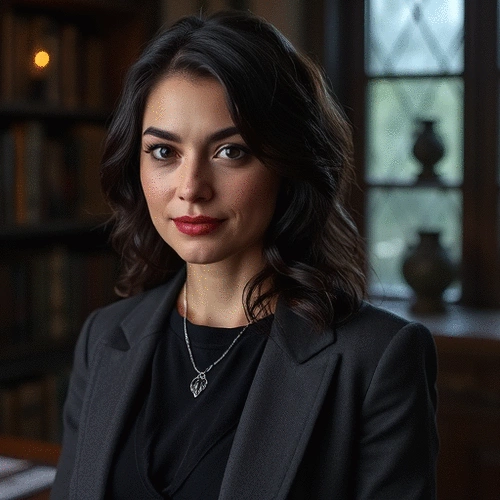
Elara Nightshade is a passionate creator and storyteller, dedicated to the art of dark fantasy. With a background in graphic storytelling and a deep love for gothic mythology, Elara weaves intricate narratives that explore the depths of forbidden magic and the complexities of fallen heroes. Through her work, she aims to inspire both fans and fellow creators to delve into the enchanting realms of dark fantasy.
Arcane Chronicles is a creative hub dedicated to unearthing the magic of dark fantasy comics. Our mission is to immerse you in intricate graphic tales and equip creators with insights for weaving their own compelling narratives.