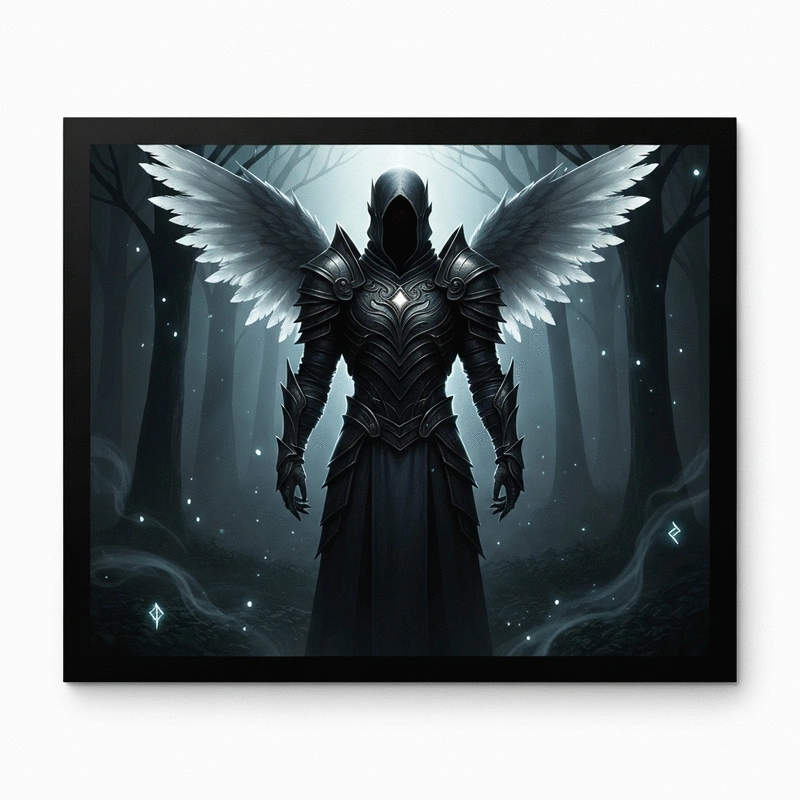
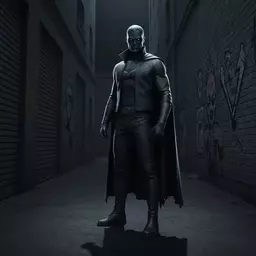
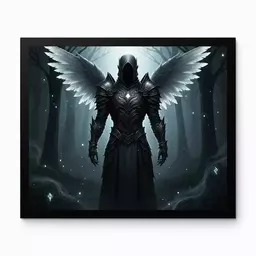
As we delve into the enchanting realm of dark fantasy art, consider how a single technique can transform a simple illustration into a powerful narrative. Backlighting isn't just about illumination; it's about evoking emotions and weaving stories that linger long after the viewer has looked away.
What You Will Learn
Backlighting enhances storytelling by creating dramatic contrasts between light and shadow.
The emotional weight of characters can be defined through careful manipulation of light, shaping viewer perceptions.
Different lighting styles, such as soft versus harsh backlighting, evoke distinct moods and atmospheres in artwork.
Color theory plays a critical role in backlighting; warm colors create inviting atmospheres while cool tones suggest tension.
Software options like Photoshop and Clip Studio Paint offer unique tools for mastering backlighting techniques.
Practical tutorials and resources can significantly elevate your skills in applying backlighting to your digital paintings.
Backlighting Techniques in Dark Fantasy Art
This visual outlines key comparisons and practical tools for mastering backlighting in dark fantasy illustrations.
Importance of Backlighting
Creates dramatic contrasts
Emphasizes character traits & emotions
Invokes a sense of mystery
Enhances storytelling & mood
Mood & Atmosphere Enhancement
Soft backlighting for dreamlike quality
Harsh backlighting for tension
Dynamic contrasts for movement
Manipulate light for immersive art
Software Comparison: Backlighting
Photoshop
Robust layering
Advanced filters
Smooth blending
Clip Studio Paint
Comic/manga focus
Specialized brushes
Illustrative storytelling
Choose based on workflow & style
Recommended Resources
Software: Procreate, Lightroom
Tutorials: YouTube (Ctrl+Paint, Sinix Design)
Courses: Skillshare, Udemy
Tools for aspiring & refining artists
Understanding Backlighting in Dark Fantasy Art
Backlighting plays a crucial role in dark fantasy art, creating a captivating interplay between light and shadow that enhances our visual experience. By illuminating the edges of a subject while keeping the center in shadow, backlighting adds depth and intrigue to illustrations. In the world of dark fantasy, where gothic myths and ancient curses come to life, mastering backlighting can elevate your storytelling, making your characters and scenes resonate more profoundly with your audience.
At Arcane Chronicles, we believe that understanding the intricacies of backlighting is essential for any artist seeking to weave a narrative through their visuals. The importance of this technique lies not only in enhancing aesthetics but also in establishing mood and atmosphere, setting the stage for the rich tales we wish to tell.
What is Backlighting and Its Importance in Dark Fantasy Illustrations?
Backlighting refers to the technique where the light source is positioned behind the subject, casting a glow that outlines the figure, often creating a dramatic silhouette. This practice is particularly significant in dark fantasy illustrations, where the contrast between light and dark can symbolize the struggle between good and evil or the internal conflicts of characters. It not only defines forms but also creates emotional weight, inviting viewers to ponder the story behind the imagery.
Creates dramatic contrasts that enhance storytelling
Emphasizes character traits and emotions
Invokes a sense of mystery, drawing the viewer in
The interplay of light and dark speaks to our innate desire to explore the unknown. By using backlighting, artists can tell compelling stories that resonate with themes of heroism and tragedy, much like the tales shared at Arcane Chronicles!
How Backlighting Enhances Mood and Atmosphere in Art
The mood of a piece can be entirely transformed through the strategic use of backlighting. In dark fantasy, the choice of light not only shapes how we perceive a character but also influences the emotional undertone of the artwork. For instance, a character enveloped in a soft, ethereal glow can evoke feelings of hope or purity, while harsh, stark lighting may convey danger or despair. Understanding how to manipulate light can make your illustrations truly immersive.
Soft backlighting creates a dreamlike quality
Harsh backlighting builds tension and suspense
Dynamic contrasts contribute to a sense of movement and energy
As we delve deeper into the world of dark fantasy, consider how your own use of backlighting can enhance your narrative. Every choice shapes the atmosphere, and the stories we tell become all the more poignant.
Exploring Color Theory and Its Role in Backlighting
Color theory is a powerful tool in understanding backlighting. The hues you choose to implement in your backlighting can evoke specific emotions and enhance the overall narrative. For example, a warm backlight can evoke feelings of comfort and nostalgia, while cooler tones might suggest mystery or uncertainty. By creating a color palette that harmonizes with your theme, you can deepen the emotional engagement of your audience.
Cool colors (blues, purples) add a sense of unease or tension
Contrasting colors heighten the drama within the artwork
At Arcane Chronicles, we encourage artists to play with these color dynamics. Let your illustrations not just tell a story but evoke an emotional journey that resonates with the heart of your audience!
Pro Tip
When experimenting with backlighting in your dark fantasy art, consider the emotional impact of color. Warm hues can evoke comfort and nostalgia, while cooler tones can create a sense of mystery. By thoughtfully selecting your color palette, you can enhance the mood of your illustrations and deepen the connection with your audience.
Practical Tips and Tools for Mastering Backlighting Techniques
As we dive deeper into the art of backlighting, it's essential to explore practical tips and tools that can elevate your dark fantasy illustrations. Mastering backlighting techniques not only enhances the visual appeal but also infuses your work with the mood and emotion that defines the genre. Let's unravel some effective strategies and tools that can help you achieve stunning backlighting effects!
Comparative Analysis: Photoshop vs. Clip Studio Paint for Backlighting
When considering software for your artistic journey, both Photoshop and Clip Studio Paint come with unique strengths tailored for backlighting. Here’s a quick comparison to help you decide which might suit your creative needs best:
Photoshop: Known for its extensive range of tools, Photoshop offers robust layering options and advanced filters. It's perfect for artists looking to blend effects smoothly.
Clip Studio Paint: This software shines with its focus on comic and manga creation, providing specialized brushes and tools that enhance backlighting effects specifically for illustrative storytelling.
Community Support: Both platforms boast vibrant communities with ample tutorials and resources, making it easier to learn and find inspiration.
Price Point: Evaluate the cost of each software. While Photoshop requires a subscription, Clip Studio Paint often offers one-time purchase options.
Choosing between them comes down to your artistic style and workflow preferences. Personally, I find Clip Studio Paint particularly enchanting for its streamlined approach to comic art, which aligns beautifully with the gothic narratives I enjoy crafting at Arcane Chronicles.
Recommended Software and Resources for Aspiring Artists
Whether you are just starting or looking to refine your skills, having the right tools is crucial. Here are some recommended software and resources that can help you in your backlighting endeavors:
Procreate: A favorite among digital artists, this app offers intuitive touch controls and excellent brush customization options.
Lightroom: While typically used for photo editing, it provides fantastic tools for adjusting lighting effects that can inspire digital painting.
YouTube Tutorials: Channels like 'Ctrl+Paint' and 'Sinix Design' offer valuable insights into backlighting techniques.
Online Courses: Platforms like Skillshare and Udemy feature courses tailored to backlighting in digital art.
Utilizing these resources can significantly boost your understanding and application of backlighting, enriching your dark fantasy creations.
Art Tutorials for Mastering Backlighting in Digital Painting
Digital Painting Fundamentals: Start with basics like light sources and shadow placement before layering in complexity.
Backlighting Focused Lessons: Seek out tutorials that specifically address backlighting techniques, showing you how to manipulate light to create dramatic effects.
Peer Feedback: Share your work on platforms like DeviantArt or the Arcane Chronicles community, where you can receive constructive critique and tips from fellow artists.
As you practice these techniques, remember that every stroke is a step toward mastering the enchanting art of backlighting.
Recap of Key Points
Here is a quick recap of the important points discussed in the article:
Backlighting enhances visual storytelling by creating dramatic contrasts between light and shadow.
Strategic use of backlighting can evoke specific emotions and set the mood of dark fantasy art.
Color choices in backlighting influence the emotional engagement of the audience, with warm colors suggesting comfort and cool colors indicating tension.
Utilizing software like Photoshop and Clip Studio Paint can help achieve stunning backlighting effects.
Practical tutorials and peer feedback are essential for mastering backlighting techniques in digital painting.
Frequently Asked Questions About Backlighting in Dark Fantasy Art
Q: What is backlighting in art?
A: Backlighting is an artistic technique where the main light source is positioned behind the subject, creating an outline of light around the figure and often casting the front into shadow. This technique emphasizes form, creates dramatic contrast, and adds depth.
Q: How does backlighting enhance storytelling in dark fantasy art?
A: In dark fantasy, backlighting creates dramatic contrasts between light and shadow, which can symbolize internal conflicts, emphasize character traits, and invoke a sense of mystery, drawing viewers deeper into the narrative.
Q: What role does color theory play in backlighting?
A: Color theory is crucial because the hues chosen for backlighting can significantly impact the mood. Warm colors (reds, oranges) can evoke comfort or nostalgia, while cool colors (blues, purples) can suggest tension, unease, or mystery, thereby deepening emotional engagement.
Q: Which software is recommended for mastering backlighting techniques?
A: Both Photoshop and Clip Studio Paint are highly recommended. Photoshop offers robust layering and advanced filters for smooth blending, while Clip Studio Paint provides specialized brushes and tools tailored for illustrative storytelling, especially in comic and manga styles. Other tools like Procreate (for mobile) and Lightroom (for light adjustments) can also be beneficial.
Q: Where can artists find tutorials and resources to improve their backlighting skills?
A: Artists can find valuable tutorials on YouTube channels like 'Ctrl+Paint' and 'Sinix Design'. Online platforms such as Skillshare and Udemy offer detailed courses. Additionally, engaging with art communities on platforms like DeviantArt or Arcane Chronicles can provide constructive feedback and learning opportunities.
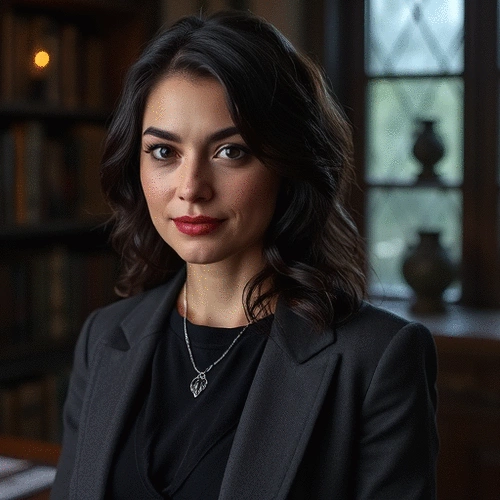
Elara Nightshade
Elara Nightshade is a passionate creator and storyteller, dedicated to the art of dark fantasy. With a background in graphic storytelling and a deep love for gothic mythology, Elara weaves intricate narratives that explore the depths of forbidden magic and the complexities of fallen heroes. Through her work, she aims to inspire both fans and fellow creators to delve into the enchanting realms of dark fantasy.
Popular Posts
Gothic Folklore in Dark Fantasy
The rich tapestry of dark fantasy is intricately woven with threads of gothic folklore, where ancien
Arcane Chronicles is a creative hub dedicated to unearthing the magic of dark fantasy comics. Our mission is to immerse you in intricate graphic tales and equip creators with insights for weaving their own compelling narratives.