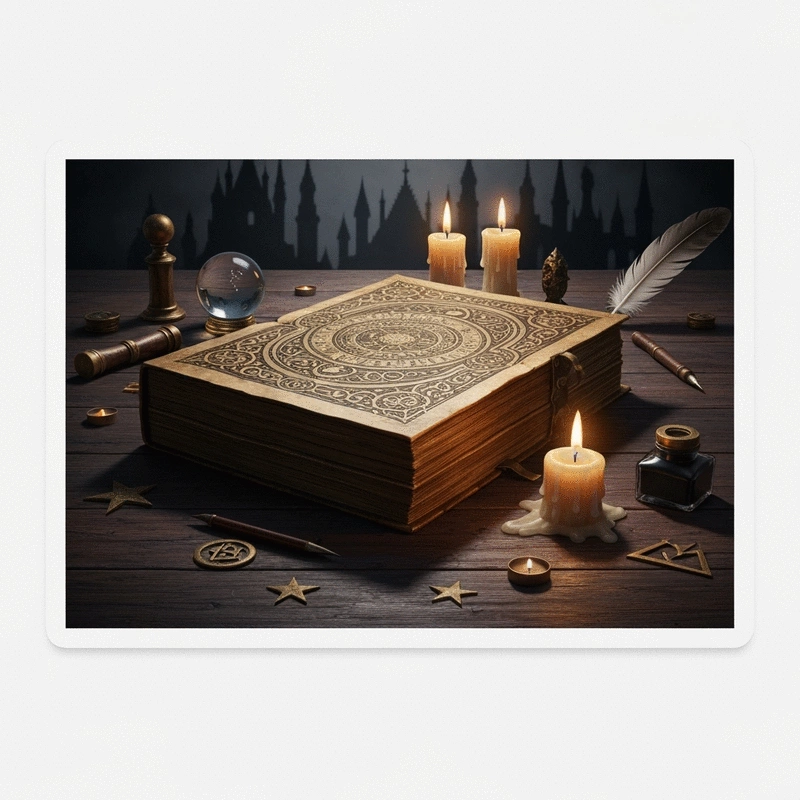
Origins & Limitations
Establish where magic stems from and the restrictions governing its use.
What if the power to reshape reality came at a cost too steep to bear? In the realm of Gothic fantasy, forbidden magic is more than just an exciting plot device; it's a catalyst for character development and moral dilemmas. This exploration reveals how the shadows of arcane knowledge can shape narratives and characters alike.
Crafting compelling forbidden magic involves understanding its origins, consequences, and aesthetic influence, shaping both narrative and character motivations.
Establish where magic stems from and the restrictions governing its use.
Outline impacts on user and world, such as societal backlash or personal corruption.
Infuse magic with gothic qualities to evoke mystery and allure.
Weave psychological impacts of dark magic into character arcs.
Step into the shadowy realms of forbidden magic within Gothic fantasy, a captivating tapestry where darkness intertwines with the arcane. As creators and fans, we delve into how these mysterious forces shape our storytelling. Each whispered incantation and secret spell not only enhances our narratives but also unveils the intricate emotional landscapes of our characters. Have you ever wondered how these elements transform a simple tale into something truly haunting?
At Arcane Chronicles, we embrace the allure of forbidden magic, exploring not just its mechanics but the profound effects it has on our worlds and characters. This exploration yields a rich understanding of how magic, when shrouded in mystery and danger, becomes both a weapon and a curse. Let’s begin unraveling this complex web together!
Forbidden magic often stems from ancient sources, steeped in tales of betrayal and sacrifice. It is characterized by its illicit nature, drawing on dark arts that challenge the natural order. Creators like myself find inspiration in the moral dilemmas that arise from wielding such power. The very origins of these magical practices often echo the consequences of their use, creating a cycle of despair and ambition. For those interested in the academic exploration of such themes, the Dark Arts Research Group offers fascinating insights into the study of forbidden knowledge.
As we weave these elements into our stories, we uncover the secrets that bind characters to their fates. Each choice to engage with forbidden magic reveals layers of conflict and complexity, inviting readers to ponder the implications of such power.
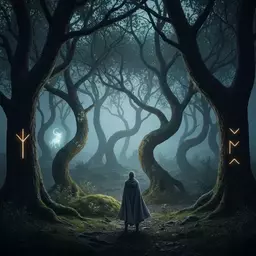
The aesthetics of Gothic fantasy are deeply intertwined with the concept of forbidden magic. Dark palaces, misty forests, and crumbling ruins serve as the perfect backdrop for stories where magic reigns supreme and danger lurks around every corner. As I craft these settings at Arcane Chronicles, I aim to create atmospheres that evoke both beauty and dread, inviting readers to feel the tension in every panel.
Through these aesthetics, we can draw our audience into a world where magic is both a blessing and a curse. The landscapes of our stories become characters in their own right, echoing the turmoil of those who traverse them.
Dark arts and arcane knowledge are the lifeblood of our narratives, offering pathways to unimaginable power yet fraught with peril. These elements allow us to explore the psychological depths of our characters, revealing their desires, fears, and motivations. In my workshops at Arcane Chronicles, I encourage fellow creators to consider how the allure of dark magic can shape a character’s journey and their ultimate fate. For inspiration, the Chicago Public Library's list of speculative fiction releases provides numerous examples of how dark themes are explored in contemporary literature.
As we build our stories, the interplay between these forces invites readers to question their own morals and the lengths they might go to in pursuit of power. In this dance of light and shadow, the essence of Gothic fantasy truly comes alive.
How do you perceive the role of forbidden magic in your favorite gothic fantasy stories? Share your thoughts below:
As we wrap up our exploration of forbidden magic within Gothic fantasy, it’s essential to reflect on the key elements that shape these captivating worlds. Crafting a compelling magic system requires a deep understanding of not only the power of the magic itself but also the perils that accompany it. This delicate balance creates a rich narrative landscape that draws readers into the intrigue of dark arts. For writers looking for fresh ideas, the Fantasy Book Cafe's list of anticipated speculative fiction releases can provide inspiration on how others are approaching magical systems.
Let’s consider the core components that you should integrate into your worldbuilding process:
Incorporating these elements can enhance the enchanting tapestry of your stories. As someone who has journeyed through the realms of dark fantasy at Arcane Chronicles, I can attest to the power of these magical systems in forging connections with readers.
Engaging your readers involves more than just thrilling them with magical escapades; it’s about immersing them in a world where every spell cast holds weight. Here are some practical takeaways for crafting your forbidden magic:
By implementing these strategies, you can weave a narrative that not only entertains but also provokes thought, ultimately enhancing your readers' investment in your characters and their journeys.
As we journey into the depths of dark fantasy, it’s vital to explore the thematic layers that forbidden magic unveils. Themes of moral ambiguity, personal sacrifice, and the quest for power and redemption resonate deeply within the hearts of readers.
When crafting your narratives, consider how you can present the moral ramifications of magic. Ask yourself:
Through these questions, you empower your readers to engage not just with the events of your story, but also with the deeper truths that lie beneath. At Arcane Chronicles, I encourage you to embrace the complexity of these themes, allowing your narratives to reflect the shadows and light within us all.
Here is a quick recap of the important points discussed in the article:
Elara Nightshade is a passionate creator and storyteller, dedicated to the art of dark fantasy. With a background in graphic storytelling and a deep love for gothic mythology, Elara weaves intricate narratives that explore the depths of forbidden magic and the complexities of fallen heroes. Through her work, she aims to inspire both fans and fellow creators to delve into the enchanting realms of dark fantasy.