Defining Dark Fantasy: Core Themes
Magic, morality, atmospheric landscapes, and complex characters are fundamental to crafting compelling dark fantasy narratives.
Exploring the depths of dark fantasy artistry can unveil a world where imagination knows no bounds. As you dive into this genre, consider how the interplay of visual elements and storytelling techniques can transform your creations into captivating narratives.
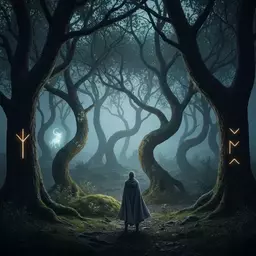
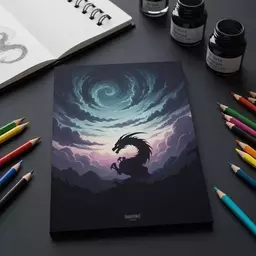
Dark fantasy art weaves together crucial themes and techniques to create compelling narratives and immersive worlds. The visual below highlights the core components and their impact on storytelling.
Magic, morality, atmospheric landscapes, and complex characters are fundamental to crafting compelling dark fantasy narratives.
Color palettes, symbolism, dynamic compositions, and resonant characters combine to create engaging narratives.
Dark fantasy is more than just a genre; it is a rich tapestry woven with themes of magic, mystery, and the complexities of the human condition. At Arcane Chronicles, we celebrate this artistry, inviting creators and enthusiasts alike to explore the depths of their imagination. As we delve into this enchanting realm, we uncover not just stories but also the emotions and inspirations that breathe life into every piece of art.
Common themes found in dark fantasy include the struggle between good and evil, the exploration of forbidden magic, and the portrayal of fallen heroes. These elements evoke a sense of nostalgia and wonder, drawing the audience into worlds that challenge the boundaries of reality. What inspires your dark narratives? Is it a haunting myth, an ancient curse, or perhaps your own experiences reflected through a gothic lens?
The allure of dark fantasy lies in its ability to captivate through atmospheric storytelling. Themes of magic and the supernatural often intertwine with profound moral questions, prompting both creators and audiences to reflect on their own values. As we engage with these narratives, we discover the emotional weight they carry, which is crucial in developing a compelling dark fantasy tale. Notably, the dark fantasy aesthetic emphasizes the struggle amidst shadows, highlighting how conflict and moral ambiguity drive the narrative.
Atmospheric elements in dark fantasy art play a pivotal role in shaping the audience's emotional experience. The use of light and shadow can create tension, while the choice of colors sets the mood for your narrative. By masterfully manipulating these elements, we can evoke feelings of suspense, intrigue, or even solace amid chaos. Consider how your environment can affect the story you wish to tell!
When crafting your scenes, think about how weather and natural elements might reflect the internal struggles of your characters. Does a storm signify turmoil, or does a serene moonlit night suggest a moment of peace before the storm? These atmospheric choices can enhance the depth of your storytelling and captivate your audience. Academic exploration into the genre, such as the Dark Arts Research Group, further underscores the intricate psychological dimensions often embedded in dark fantasy narratives.
Visual storytelling is at the heart of dark fantasy artistry. Each panel, each stroke, serves as a portal to a new realm. Here at Arcane Chronicles, we encourage creators to weave their narratives through striking visuals. Think about the emotions you want to evoke and how your characters' actions can reflect their journeys. Engaging narratives often hinge on the combination of visual elements and storytelling techniques.
As you develop your dark fantasy art, remember that each component plays a crucial role in the overall narrative. From the color choices to the composition, everything should serve to enhance the story you wish to tell. What stories will you unravel through your unique artistic lens? Let’s ignite our creativity together!
As we navigate through the intricacies of dark fantasy artistry, we invite you to reflect on your own inspirations. What elements resonate most with your creative process? Here are some questions to ponder:
Your insights could spark new ideas and connections within our artistic community!
As we draw the curtains on our exploration of dark fantasy drawing, it's essential to reflect on the techniques we've covered and the profound impact they have on our art. Each brush stroke, each layer of color, contributes to the narrative we weave through our images. The atmospheric elements, from shadows that whisper secrets to colors that evoke emotion, shape our storytelling in ways that resonate deeply with both the creator and the audience.
Throughout this journey, I've witnessed how these techniques can transform a blank canvas into a realm of possibility. The way we manipulate light, color, and texture can evoke feelings of wonder, dread, or nostalgia. What techniques have resonated most with you? What will you carry forward into your future creations?
Reflecting on the various techniques, I find that some of the most impactful methods include:
Each of these elements contributes to the overall atmosphere of your work. It's a tapestry of techniques that can invite your audience to linger, explore, and connect with the stories you tell.
As you continue on your artistic journey, I encourage you to embrace practice and exploration. Art is a continual process, one filled with twists and turns that often lead to unexpected breakthroughs. Don’t shy away from experimenting with new styles, tools, or themes. Remember, even the most renowned artists were once beginners, learning to navigate the shadows of their craft!
Participating in workshops, such as those we host at Arcane Chronicles, can provide invaluable opportunities for growth. Engaging with fellow artists can spark new ideas and help you see your work from fresh perspectives. So, keep your sketchbook handy and don’t hesitate to put pencil to paper!
The journey of dark fantasy drawing is not one you need to undertake alone. Engaging with the artistic community can greatly enrich your experience and skill. From sharing your artwork to seeking inspiration, the connections you forge can illuminate your path.
To truly thrive in the world of dark fantasy artistry, it's crucial to tap into the rich tapestry of inspiration and resources available. Here are some effective ways to find inspiration:
By immersing yourself in the work of others, you create a wellspring of ideas that can inform your own creations. Remember, every artist’s journey is unique and sharing in this collective experience can lead to personal insights and growth. For a deeper academic perspective on the role of art in exploring complex themes, consider insights from the Journal of Visual Culture, which delves into how visual narratives shape our understanding of the world.
Sharing your art can feel daunting, but the benefits of receiving peer feedback are immense. By inviting others to view your work, you open the door to constructive criticism and support. Here are some advantages of engaging your peers:
At Arcane Chronicles, we encourage artists to share their creations during our workshops. It’s an uplifting experience that fosters growth and camaraderie!
Lastly, don’t underestimate the power of participating in art challenges and competitions. These events not only spark creativity but also provide structure to your practice. By engaging in challenges, you:
So, keep an eye out for upcoming challenges and seize the opportunity to push your creative boundaries! The dark fantasy realm awaits your unique voice and vision.
Here is a quick recap of the important points discussed in the article:
Elara Nightshade is a passionate creator and storyteller, dedicated to the art of dark fantasy. With a background in graphic storytelling and a deep love for gothic mythology, Elara weaves intricate narratives that explore the depths of forbidden magic and the complexities of fallen heroes. Through her work, she aims to inspire both fans and fellow creators to delve into the enchanting realms of dark fantasy.