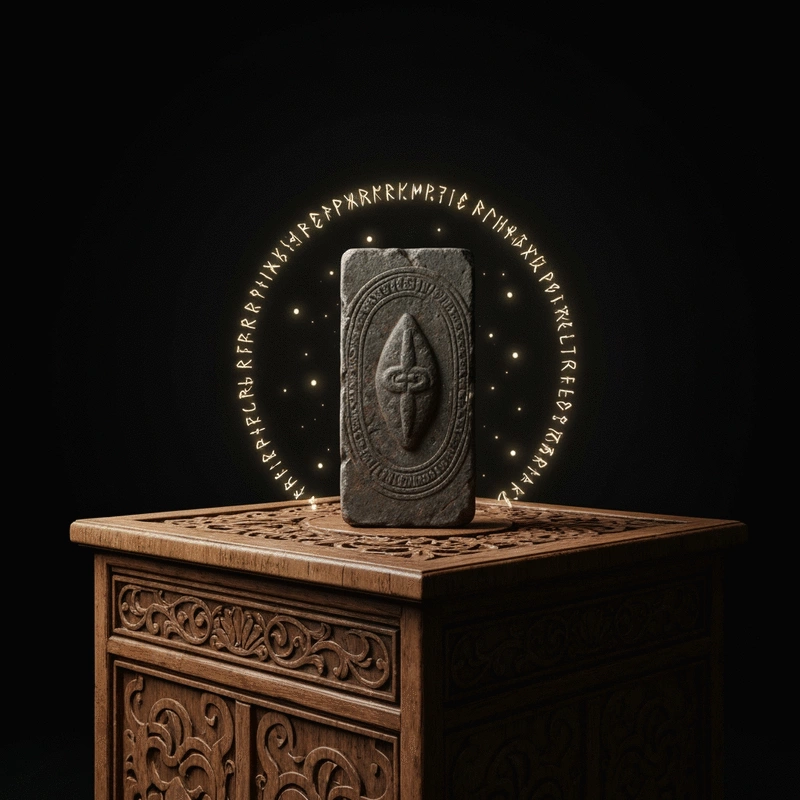
Differentiating Supernatural Phenomena
- ★ Curses: Attached to specific objects/individuals.
- ★ Hauntings: Involve lingering spirits in a location.
- ★ Possessions: Direct influence by a supernatural entity.
The tales of cursed artifacts reveal not only the dark magic of ancient times but also how these stories resonate with our own experiences. Have you ever wondered how a simple object can carry the weight of tragedy and lore? Join us as we unearth the mysteries behind these fascinating relics.
Delve into the core differences between various supernatural phenomena and the primary motivators behind the creation of curses, as explored in the article.
In the realm of dark fantasy, the concept of cursed artifacts tantalizes our imagination, inviting us to explore their origins and the shadows they cast. But what truly defines these objects? Cursed artifacts are typically items believed to be imbued with malevolent power, often linked to tragic histories or dark magic. The origins of their curses can often be traced back to ancient rituals, where individuals sought to protect their secrets or enact vengeance through potent spells. It's important to differentiate between curses, hauntings, and possessions. While curses are often attached to specific objects, hauntings imply a lingering spirit, and possessions involve the direct influence of a supernatural entity.
As we dive deeper, we begin to uncover the layers of these artifacts, each telling a tale steeped in sorrow and intrigue. At Arcane Chronicles, we relish in exploring these narratives, and I encourage you to consider how these stories resonate with your own experiences in the landscape of dark mythology.
Cursed artifacts often manifest as tools of fate, each carrying a legacy that transcends time. Ancient cultures believed that these objects could harbor the spirits of their creators, cursed to linger until a certain condition was met. The rituals surrounding these artifacts varied, but the underlying theme remained consistent: a deep respect, and sometimes fear, of the powers they wielded.
As we reflect on these definitions, I invite you to ponder how these tales of cursed artifacts connect to your own understanding of mythology and storytelling. The allure of their darkness often mirrors the complexities of our human experience, drawing us into a world where magic and reality intertwine.
Throughout history, curses have held a significant place within the tapestry of ancient cultures. Societies viewed them as potent tools for both protection and punishment. For instance, in Egyptian culture, the practice of mummification involved curses to safeguard tombs from grave robbers. Similarly, the use of black magic and hexes permeated folklore, creating a rich narrative that underscored the intersection of fear and reverence.
It’s fascinating to see how these cultural beliefs have evolved over centuries, shaping our modern-day perceptions of curses. As someone passionate about graphic storytelling, I find that these ancient practices continue to inspire the narratives we craft at Arcane Chronicles, urging us to explore the deeper meanings behind our fascination with the cursed.
The folkloric tales surrounding cursed objects are as diverse as the cultures from which they spring. From the cursed treasures of ancient Egypt to the haunted artifacts of Europe, these legends captivate our imagination. They serve not only as cautionary tales but also as a reflection of our collective fears and hopes. These narratives are steeped in rich cultural heritage, offering insights into the values and beliefs of the societies that created them.
As we unravel these tales, I encourage you to reflect on how they resonate with your personal narratives or creative endeavors. The legends we tell today often echo the past, reminding us that the line between reality and myth is both thin and tantalizingly rich.
According to a survey by the Institute of Mythological Studies, over 65% of people believe that curses can have real-life implications, affecting the lives of those who come into contact with cursed objects. This belief underscores the power of storytelling and the deep-rooted fears that ancient curses continue to invoke in modern culture.
A cursed artifact is typically an item believed to be imbued with malevolent power, often linked to tragic histories or dark magic. These curses can stem from ancient rituals or intense emotions like betrayal and vengeance.
Curses are usually attached to specific objects or individuals. Hauntings involve lingering spirits tied to a particular location, while possessions imply direct influence by a supernatural entity over a person.
Curses often originate from ancient rituals, intended to protect secrets or enact vengeance. They can also be motivated by human emotions such as betrayal, greed, and broken promises, serving as warnings or forms of retribution.
Ancient cultures used curses as both protective and punitive tools. For example, Egyptian mummification rituals included curses to guard tombs from robbers. These practices highlight societal values and fears.
The folklore surrounding cursed objects continues to influence modern literature, art, and media, perpetuating their allure. These stories also serve as a reflection of collective human fears and hopes, providing insight into the human condition.
As we journey through the shadows of ancient curses, it's essential to recognize the profound impact that cursed artifacts have on our understanding of history and culture. These objects are not just remnants of the past; they are vessels of stories that connect us to the fears, beliefs, and traditions of those who came before us. By delving into the lore surrounding these artifacts, we can uncover valuable insights about the human condition and the intricate tapestry of myth.
Recognizing the significance of these narratives helps us appreciate how ancient societies viewed morality, fate, and retribution. In a world where the line between reality and myth often blurs, understanding cursed artifacts provides a gateway to exploring deeper themes within our own lives.
To grasp the full significance of cursed artifacts, let's review some key points that highlight their cultural relevance:
Through this lens, we can appreciate how cursed artifacts are much more than mere trinkets; they are powerful symbols of our shared humanity.
If you're intrigued by the mystique of cursed relics, I invite you to delve deeper into this enchanting world. Here are some fascinating resources to guide your exploration:
Engaging with these materials not only enhances your understanding but also connects you with fellow enthusiasts who share your fascination for dark fantasy and storytelling.
As we explore the legacy of cursed artifacts, we can't overlook the locations tied to these chilling tales. Many haunted sites are steeped in legends of cursed treasures that enrich their lore. For instance, the ancient city of Pompeii has a rich history of curses, with folklore suggesting that artifacts unearthed there carry the curses of those who perished during the volcanic eruption, serving as a form of "crowd control" for tourists. Similarly, the concept of cursed art is explored in discussions about ekphrastic poetry and its connection to places like Prague, where art itself is believed to hold a malevolent power. Even the Tower of London, known for its countless executions, is rumored to house a variety of cursed items, including some of the Crown Jewels, further intertwining history with the supernatural.
These locations not only add to the mystique of cursed artifacts but also invite us to ponder the echoes of history that still resonate today. As you visit these sites or explore their stories, you may find yourself captivated by the interplay of reality and myth.
I invite you to join me in this ongoing dialogue about cursed artifacts. Have you encountered any tales of your own? What do these stories mean to you? Sharing your experiences can help us all understand the intricate web of myth and reality that binds us together as a community.
To keep the conversation alive, I encourage you to sign up for our newsletter at Arcane Chronicles. Follow our social media channels to receive updates on new discussions about curses, dark tales, and folklore. Together, we can uncover the layers of history that continue to influence our lives today!
Here is a quick recap of the important points discussed in the article:
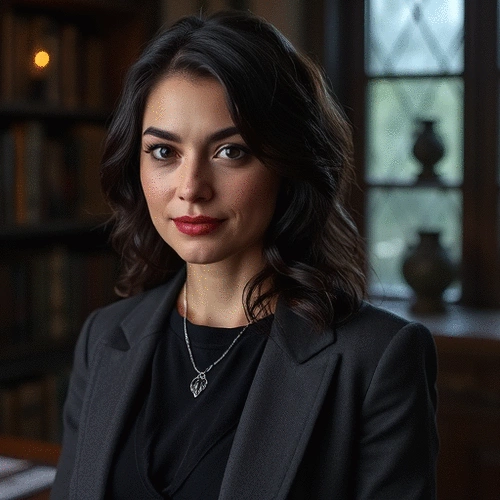
Elara Nightshade is a passionate creator and storyteller, dedicated to the art of dark fantasy. With a background in graphic storytelling and a deep love for gothic mythology, Elara weaves intricate narratives that explore the depths of forbidden magic and the complexities of fallen heroes. Through her work, she aims to inspire both fans and fellow creators to delve into the enchanting realms of dark fantasy.