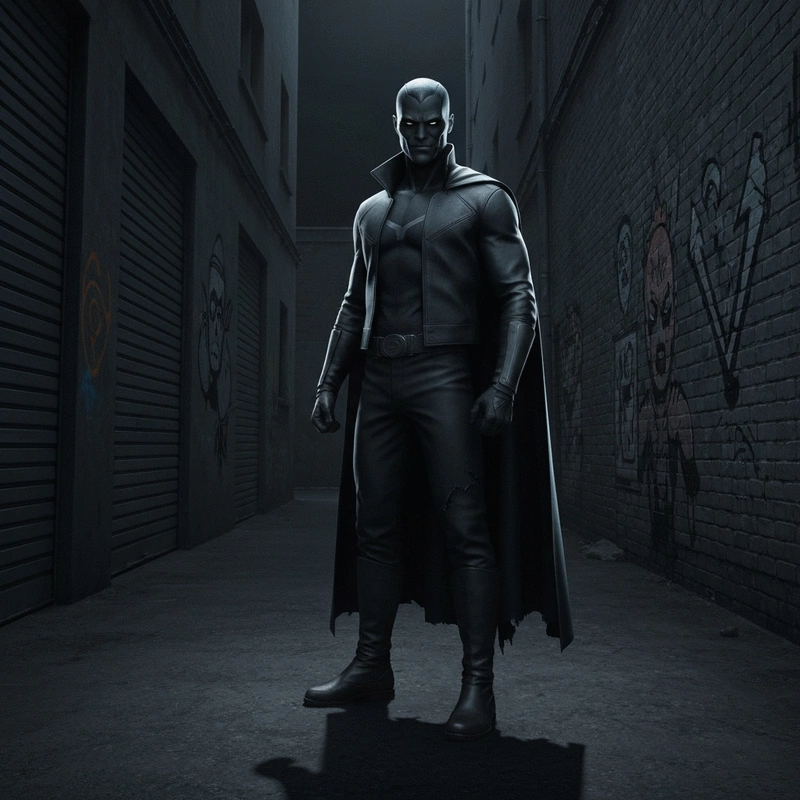
As we navigate through the realm of dark fantasy, the exploration of morally complex villains ignites curiosity and introspection. These characters challenge our perceptions of good and evil, inviting us to delve deeper into the intricacies of human nature. What drives a person to villainy? In this journey, we find answers that resonate on a personal level.
What You Will Learn
Embrace Complexity: Move beyond simple good vs. evil dichotomies to create richer narratives.
Explore Motivations: Understand what drives your villains, making their actions relatable.
Integrate Tragic Backstories: Deepen emotional connections by revealing their pasts.
Establish Unique Moral Codes: Allow villains to operate under their own rules, adding layers to their conflicts.
Develop Flaws: Every villain should have weaknesses that contribute to their complexity.
Use Vulnerability: Showcasing their struggles can make them more human and relatable.
Allow for Growth: Characters can evolve throughout the story, offering dynamic arcs that captivate readers.
Encourage Audience Reflection: Craft stories that provoke thought about morality and personal choices.
Crafting Compelling Villains: Key Elements & Experimentation
The following visual summarizes essential elements for creating morally complex villains and ideas for experimenting with traditional archetypes, vital for engaging dark fantasy narratives.
Key Elements for Crafting Complex Villains
Embrace Complexity
Move beyond simple good vs. evil dichotomies.
Explore Motivations
Understand what drives your villains, making their actions relatable.
Integrate Tragic Backstories
Deepen emotional connections by revealing their pasts.
Establish Unique Moral Codes
Allow villains to operate under their own rules, adding layers to their conflicts.
Develop Flaws
Every villain should have weaknesses that contribute to their complexity.
Use Vulnerability
Showcasing their struggles can make them more human and relatable.
Allow for Growth
Characters can evolve throughout the story, offering dynamic arcs that captivate readers.
Encourage Audience Reflection
Craft stories that provoke thought about morality and personal choices.
Understanding the Appeal of Morally Complex Villains
When we dive into the world of dark fantasy, one of the most captivating elements is the morally complex villain. These characters, often shrouded in shadows, challenge our understanding of good and evil. They are not simply antagonists; they are reflections of our own ethical dilemmas and personal struggles. At Arcane Chronicles, I find immense joy in exploring these intricate narratives, where villainy becomes a tapestry woven with threads of motivation, trauma, and an ever-evolving moral compass.
This exploration is essential for writers and creators alike. By understanding the essence of morally complex villains, we can craft stories that resonate deeply with our audience. Let’s embark on this journey of discovery together!
Defining Morally Complex Villains in Serialized Comics
Morally complex villains are those characters whose motivations and actions exist in a grey area. They often blur the lines between antagonist and antihero, making their choices compelling and relatable. In serialized comics, these characters can consist of individuals who have faced hardships, lost loved ones, or made choices based on a skewed sense of justice. For instance, the psychological underpinnings of why characters like Batman's villains commit their acts can be incredibly complex, as explored in various analyses of their character arcs.
They challenge traditional villain archetypes.
They possess relatable flaws and vulnerabilities.
They often have a tragic backstory that informs their actions.
They provoke sympathy and introspection in readers.
By crafting these complex figures, writers can evoke a range of emotions from their audience, transforming the typical battle between good and evil into a much richer narrative experience.
Why Writers Should Embrace Antiheroes and Dark Lords
As a storyteller myself, I encourage fellow writers to fully embrace the allure of antiheroes and dark lords. These characters provide a unique opportunity to explore the depths of human nature. They allow us to ask difficult questions: What drives a person to villainy? Can anyone truly be evil, or is it a product of circumstance?
Antiheroes challenge the notion of heroism.
They offer fresh perspectives on traditional narratives.
Their flawed nature invites readers to reflect on their own morals.
They create dynamic interactions with protagonists, enriching the plot.
In my experience at Arcane Chronicles, I've seen how these characters captivate readers, inviting them into a world where moral ambiguity reigns supreme. It's a thrilling adventure that I believe all creators should explore!
The Role of Moral Ambiguity in Character Development
Moral ambiguity plays a crucial role in the development of complex villains. It allows us to create characters who are not just evil for the sake of being evil but are instead layered beings with conflicting motivations. This complexity adds depth to their journey and invites readers to see the world through their eyes. A deeper understanding of moral reasoning and its impact on behavior, as discussed in psychological studies, can further inform the nuanced portrayal of such characters.
Enables character growth and transformation.
Encourages readers to empathize with flawed characters.
Allows for unexpected alliances and conflicts.
Provides opportunities to challenge the hero's beliefs.
By embracing moral ambiguity, we can craft villains who resonate with our audience, leaving a lasting impact that transcends the pages of our stories. Join me in exploring these characters within the vibrant community at Arcane Chronicles, where we can elevate our storytelling to new heights!
Pro Tip
When crafting your morally complex villains, consider giving them a personal code of ethics that contrasts with the traditional notions of right and wrong. This unique moral compass can lead to unexpected decisions that not only deepen character development but also challenge your readers' perceptions of morality.
Frequently Asked Questions About Morally Complex Villains
Q1: What defines a morally complex villain?
A morally complex villain is a character whose motivations and actions exist in a grey area, blurring the lines between antagonist and antihero. They often have relatable flaws, tragic backstories, and unique moral codes that challenge traditional notions of good and evil.
Q2: Why are morally complex villains important in dark fantasy narratives?
They enrich narratives by moving beyond simple good vs. evil dichotomies, inviting readers to explore the intricacies of human nature and morality. They provoke introspection and offer dynamic character arcs.
Q3: How can writers make their villains relatable?
Writers can make villains relatable by exploring their motivations, integrating tragic backstories, developing flaws, and showcasing their vulnerabilities. Understanding the psychological factors influencing moral decision-making can also be beneficial in crafting such characters.
Q4: What role does moral ambiguity play in character development?
Moral ambiguity allows for the creation of layered characters with conflicting motivations, enabling character growth and transformation. It encourages readers to empathize with flawed characters and provides opportunities to challenge the hero's beliefs.
Q5: How can writers experiment with traditional villain archetypes?
Writers can experiment by reimagining existing characters, blending traits from different villain types, or subverting audience expectations. Engaging with a creative community for feedback can also help in refining these experimental ideas.
Summarizing the Importance of Crafting Morally Complex Villains
As we delve into the enchanting world of dark fantasy, it becomes increasingly clear that morally complex villains play a pivotal role in creating compelling narratives. They breathe life into our tales, inviting readers to explore the intricate dance between light and shadow. By embracing these multifaceted characters, writers can elevate their stories and spark rich dialogues around morality, intent, and the human experience.
To summarize, let's highlight key elements that writers should keep in mind when crafting antiheroes and dark lords:
Embrace Complexity: Move beyond simple good vs. evil dichotomies.
Explore Motivations: Understand what drives your villains, making their actions relatable.
Integrate Tragic Backstories: Deepen emotional connections by revealing their pasts.
Establish Unique Moral Codes: Allow villains to operate under their own rules, adding layers to their conflicts.
These elements are not just theoretical; they are the threads that weave rich, immersive stories. By focusing on these aspects, we can create characters that resonate with audiences, prompting them to question their own perceptions of right and wrong.
Key Takeaways for Writers on Antiheroes and Dark Lords
Writing about antiheroes and dark lords offers a unique opportunity to challenge conventional storytelling norms. Here are some key takeaways to keep in mind:
Develop Flaws: Every villain should have weaknesses that contribute to their complexity.
Use Vulnerability: Showcasing their struggles can make them more human and relatable.
Allow for Growth: Characters can evolve throughout the story, offering dynamic arcs that captivate readers.
Encourage Audience Reflection: Craft stories that provoke thought about morality and personal choices.
These strategies not only enhance character depth but also engage readers on a deeper level, allowing them to see shades of themselves in the villains they encounter.
Encouraging Experiments with Villain Archetypes
As creators at Arcane Chronicles, we believe in the importance of experimentation within storytelling. Don’t hesitate to twist traditional villain archetypes! Here are some ideas to inspire your creative journey:
Reimagine Existing Characters: Take a well-known villain and explore their backstory or motivations in a new light.
Blend Archetypes: Mix traits from different villain types to create something entirely original.
Subvert Expectations: Lead your audience to believe one thing, only to reveal another layer of complexity.
Engage with Your Community: Share your experimental ideas in our workshops and receive feedback from fellow creators!
Embracing experimentation not only enriches your storytelling but also fosters a creative community where ideas can flourish.
Engaging with Your Audience
Inviting Reader Perspectives on Villain Complexity
As we explore the depths of villain complexity, engaging with our readers is essential. I invite you to share your thoughts on what makes a villain captivating. What traits do you find most compelling? Your perspectives can illuminate the paths we take in crafting our stories.
Call to Action: Share Your Thoughts on Antiheroes in Comics
Join the conversation! We want to hear about your favorite antiheroes and dark lords. What stories resonate with you, and why do you think they capture the imagination? Whether you're a fan or a creator, your insights are invaluable to our community here at Arcane Chronicles.
Understanding Audience Perception of Moral Complexity
Ultimately, understanding how audiences perceive moral complexity in villains can guide our storytelling choices. Are readers drawn to characters with relatable flaws? Do they prefer a clear distinction between good and evil? By exploring these questions together, we can craft narratives that not only entertain but also provoke thought and discussion. The role of empathy in understanding complex characters is a fascinating subject within psychology, demonstrating how readers connect with nuanced portrayals.
Let’s continue this journey into the shadows and illuminate the intricacies of dark fantasy storytelling. Your contributions will help us weave a richer tapestry of tales that resonate with the deepest parts of the human experience!
Recap of Key Points
Here is a quick recap of the important points discussed in the article:
Embrace Complexity: Move beyond simple good vs. evil dichotomies to create more relatable villains.
Explore Motivations: Understand what drives your villains, making their actions relatable and compelling.
Integrate Tragic Backstories: Reveal the pasts of your villains to deepen emotional connections with readers.
Establish Unique Moral Codes: Allow villains to operate under their own rules, adding layers to their conflicts and interactions.
Develop Flaws: Every villain should have weaknesses that contribute to their complexity and relatability.
Encourage Audience Reflection: Craft stories that provoke thought about morality and personal choices.
Elara Nightshade
Elara Nightshade is a passionate creator and storyteller, dedicated to the art of dark fantasy. With a background in graphic storytelling and a deep love for gothic mythology, Elara weaves intricate narratives that explore the depths of forbidden magic and the complexities of fallen heroes. Through her work, she aims to inspire both fans and fellow creators to delve into the enchanting realms of dark fantasy.
Arcane Chronicles is a creative hub dedicated to unearthing the magic of dark fantasy comics. Our mission is to immerse you in intricate graphic tales and equip creators with insights for weaving their own compelling narratives.